Western Tanzania
Katavi National Park
The last truly wild place
Overview
Tanzania's third-largest park receives fewer visitors in a year than the Serengeti sees before lunch. By October its shrinking pools hold hippos in numbers that look like a mistake.
Katavi's rhythm is dictated entirely by water. In the wet season the Katisunga floodplain is a lake and much of the park is unreachable; as it dries, the Katuma River retreats to a handful of muddy pools and everything alive converges on them. Hundreds of hippos pack in shoulder to shoulder, tempers fray, and crocodiles dig into the riverbanks to wait it out.
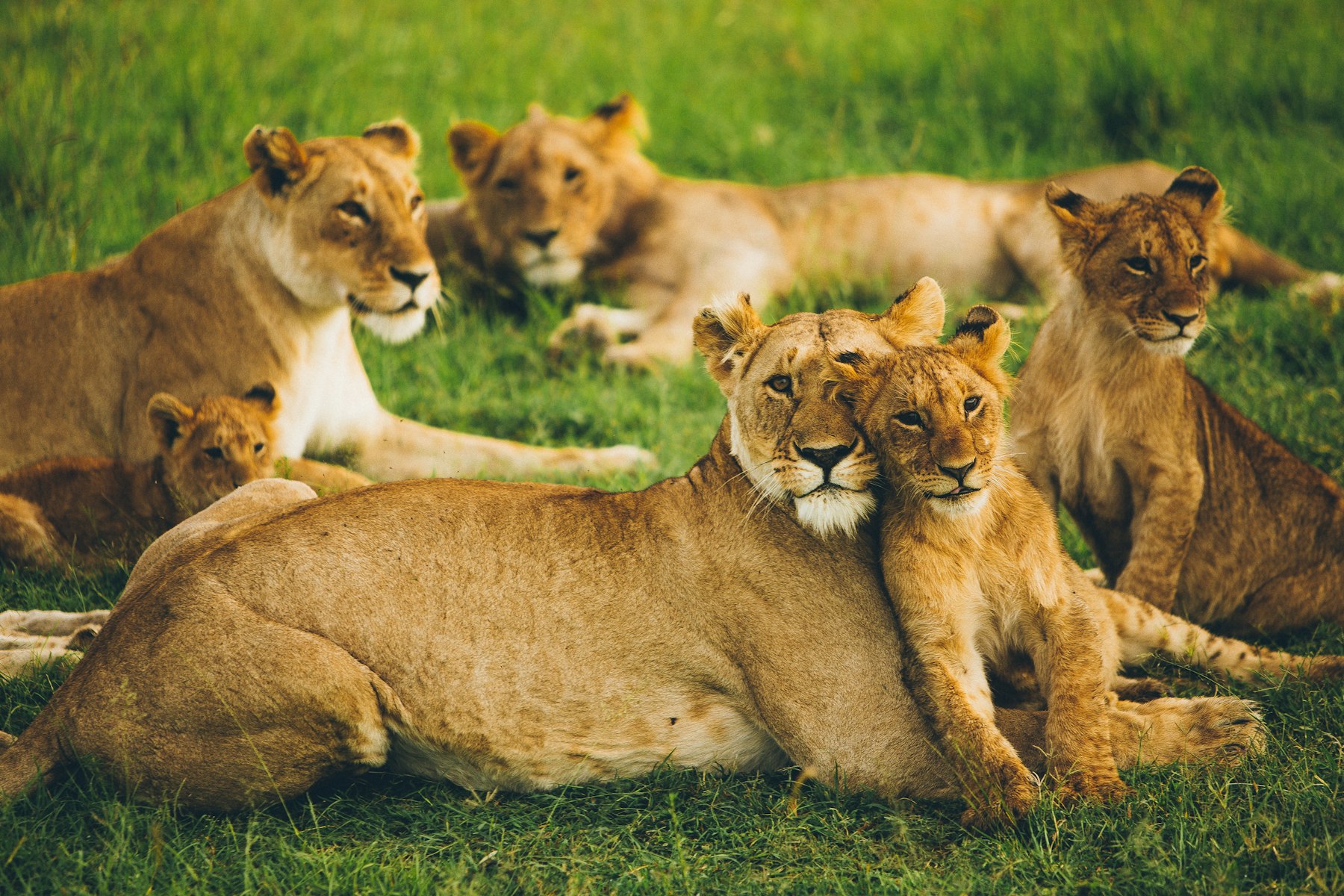
Buffalo herds here run into the thousands and the lions that follow them are unbothered by vehicles because they see so few. There are perhaps a handful of camps in the entire park. This is as close to old Africa as Tanzania still gets.
The landscape
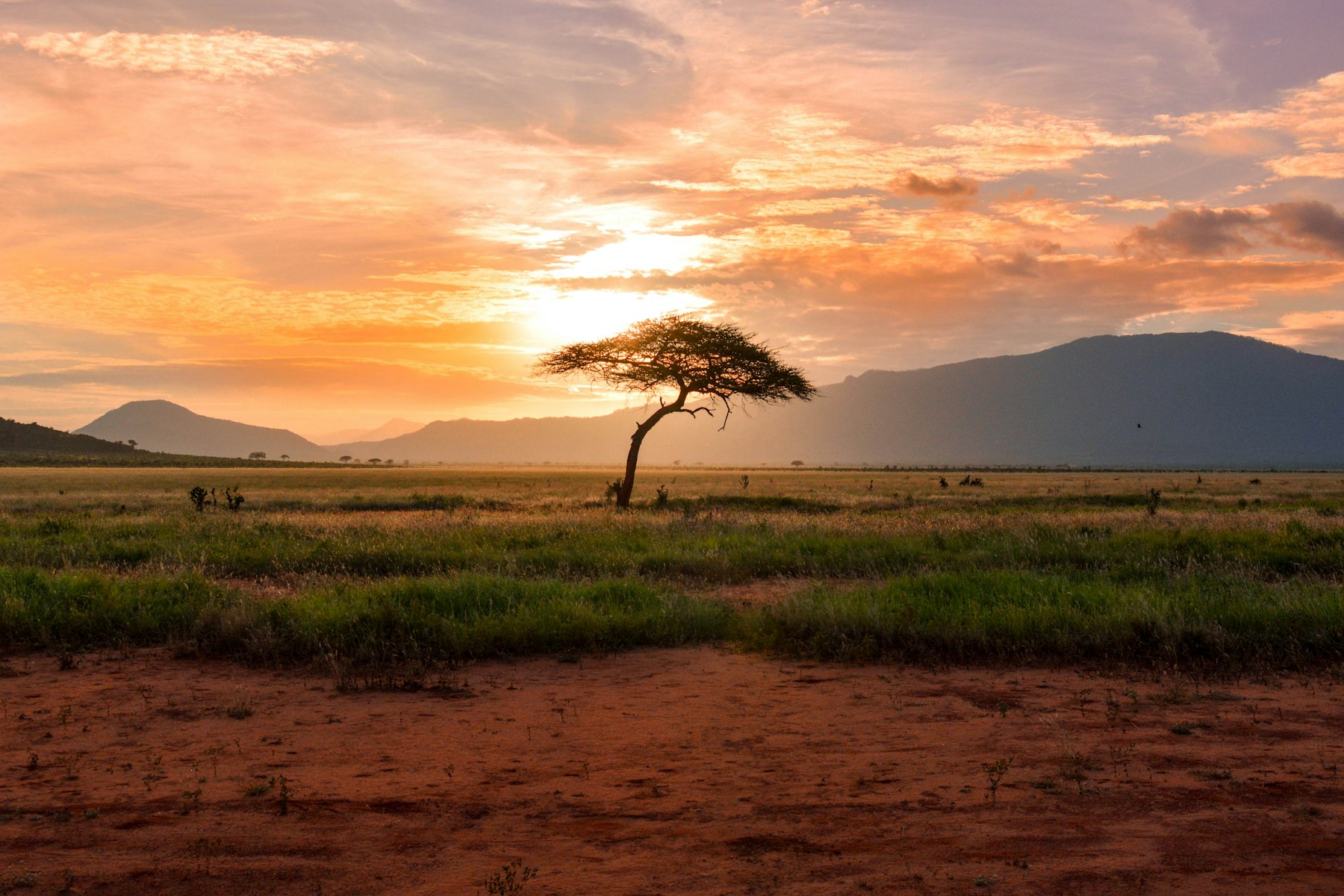
Vast seasonal floodplains and grassy lakebeds surrounded by miombo woodland, drained by the Katuma River and its dwindling dry-season pools.
Quick facts
- Size
- 4,471 km²
- Getting there
- Scheduled flight from Arusha or Dar es Salaam
- Famous for
- Hippo pools and buffalo herds
- Ideal stay
- 3 – 4 nights
Wildlife
Who lives here
- Extraordinary dry-season hippo concentrations on the Katuma
- Buffalo herds of a thousand and more
- Large lion prides, plus leopard and spotted hyena
- Roan, sable and topi on the floodplain margins
Seasons
When to come
Late dry seasonAugust – October
The famous hippo and buffalo concentrations at their most extreme.
Dry seasonJune – July
Excellent game viewing as the floodplains open up.
Experiences
Game drives · Walking safaris · Fly-camping · Photography safaris
In Pictures
Scenes from Katavi
Journeys Here
Safaris that visit Katavi National Park
Good to Know
Questions, answered
September and October. Katavi is a park where timing changes everything — the same floodplain that is empty water in April is the greatest wildlife concentration in Tanzania by October.
Western
Pairs well on the western circuit
Katavi National Park is one of 4 destinations on the western circuit. Most itineraries combine two or three.