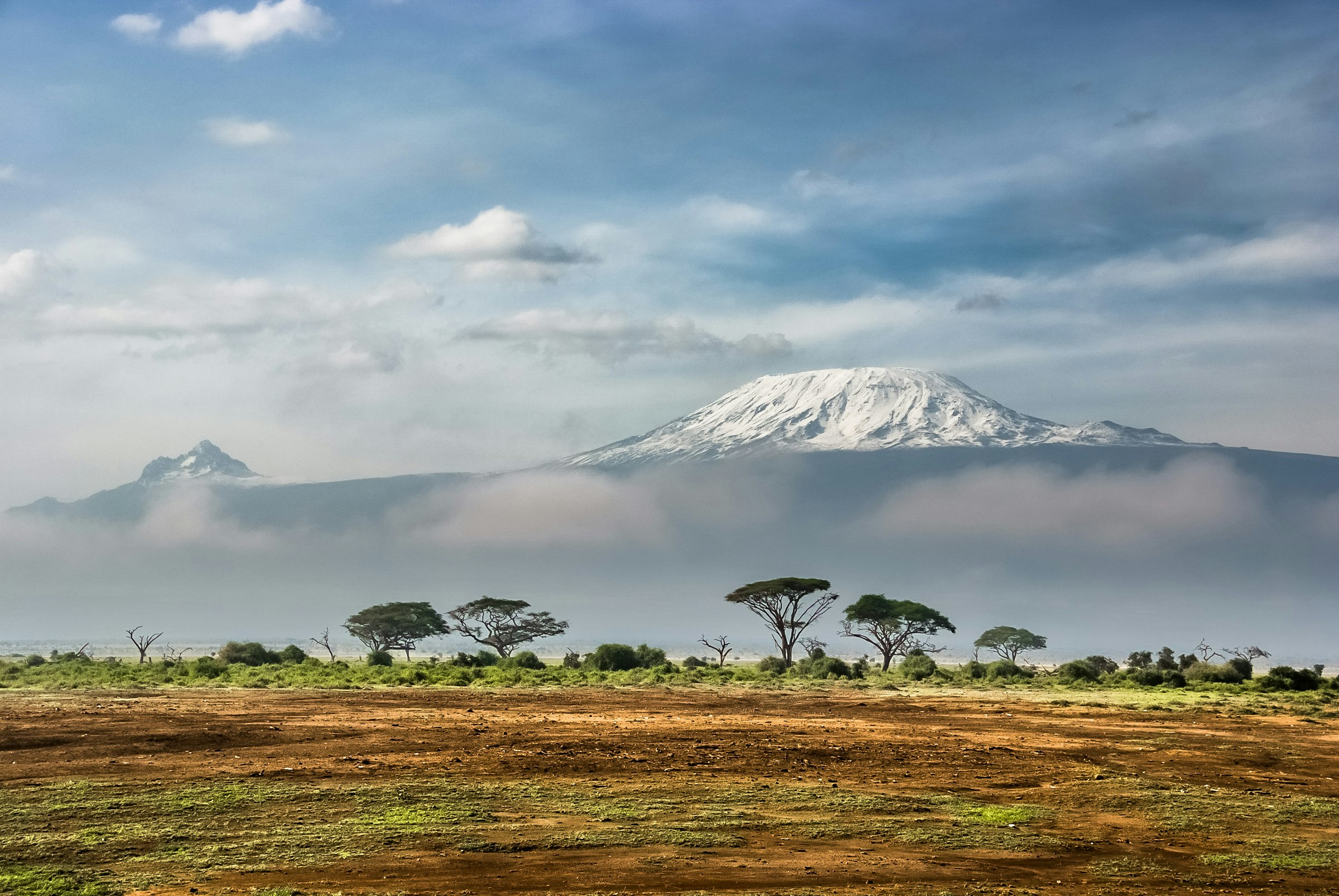
Northern Tanzania
Mount Kilimanjaro
The roof of Africa
Overview
At 5,895 metres, Kilimanjaro is the highest free-standing mountain on Earth — and one of the few great summits that determined walkers can reach without technical climbing.
The climb passes through five worlds in a week: farmland, rainforest, heather moorland, alpine desert and finally the arctic silence of the summit glaciers. Sunrise from Uhuru Peak, with the curve of the Earth glowing below, is a moment that changes people.
Vemi Safaris organises fully supported treks on the Machame and Lemosho routes with experienced local mountain crews, quality equipment and sensible acclimatisation profiles that put safety and summit success first.
The landscape
A dormant stratovolcano rising alone from the plains, crowned by the Kibo crater and its retreating equatorial glaciers.
Quick facts
- Summit
- Uhuru Peak, 5,895 m
- Typical trek
- 6 – 8 days
- Fitness
- Good hill-walking fitness; no climbing skills needed
- Nearest airport
- Kilimanjaro International (JRO)
Wildlife
Who lives here
- Colobus and blue monkeys in the forest zone
- Malachite sunbirds and alpine chats on the moorland
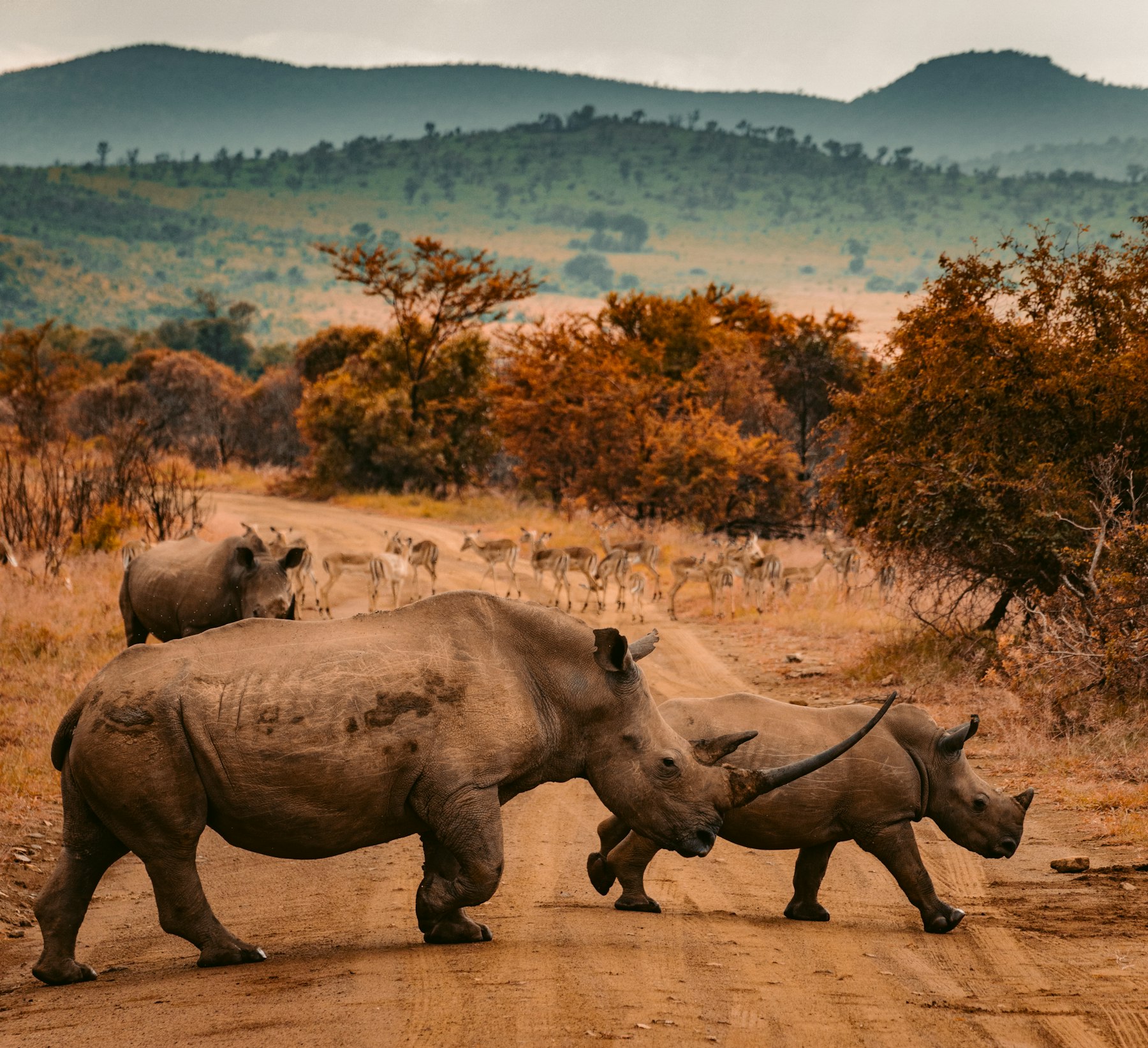
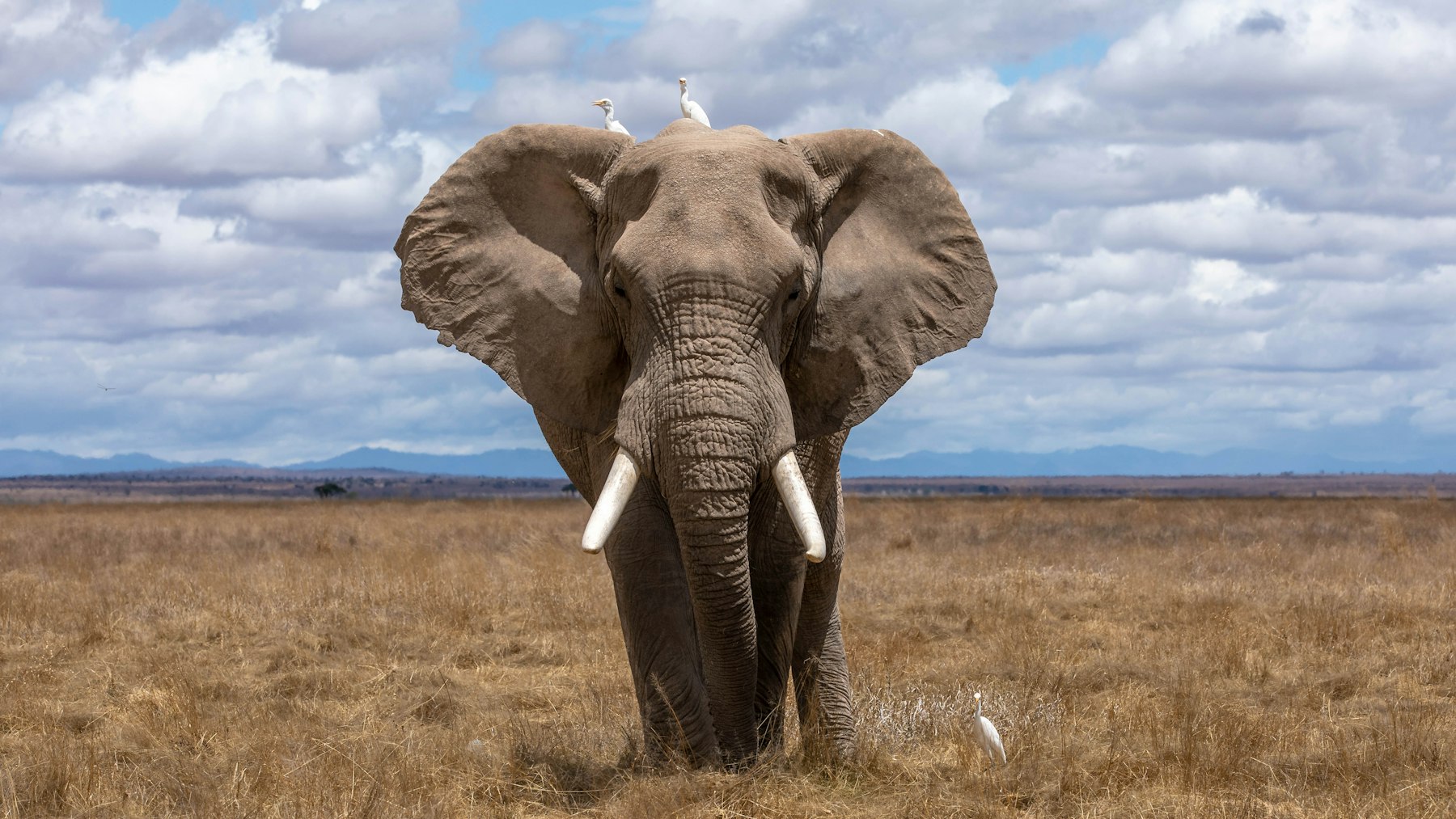
- Occasional elephant and buffalo on the lower slopes
Seasons
When to come
Warm & dryJanuary – March
Quieter slopes, chance of summit snow.
Cool & dryJune – October
The most settled weather and clearest views.
Experiences
Machame route trek · Lemosho route trek · Day hikes to Shira Plateau · Summit photography
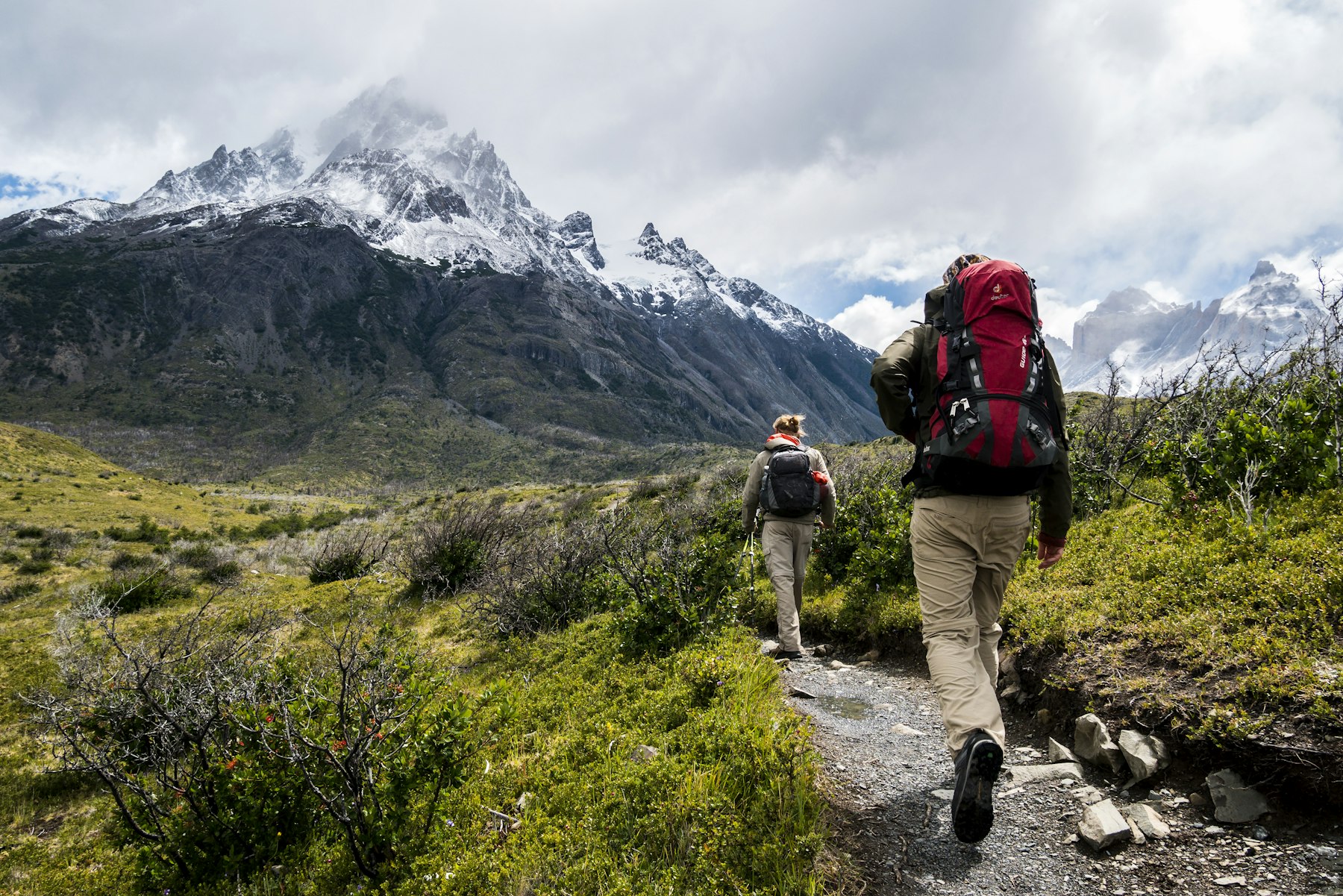
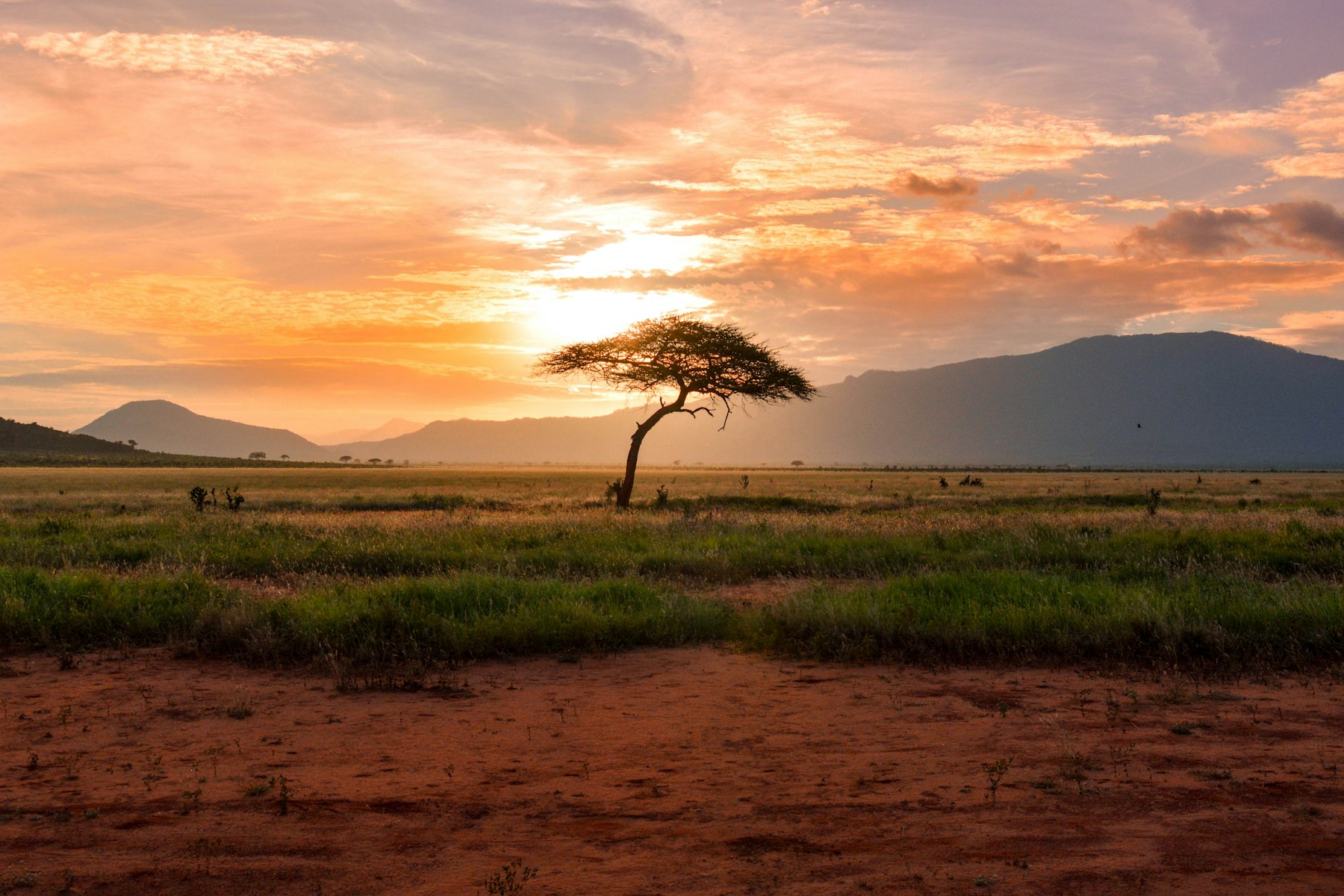
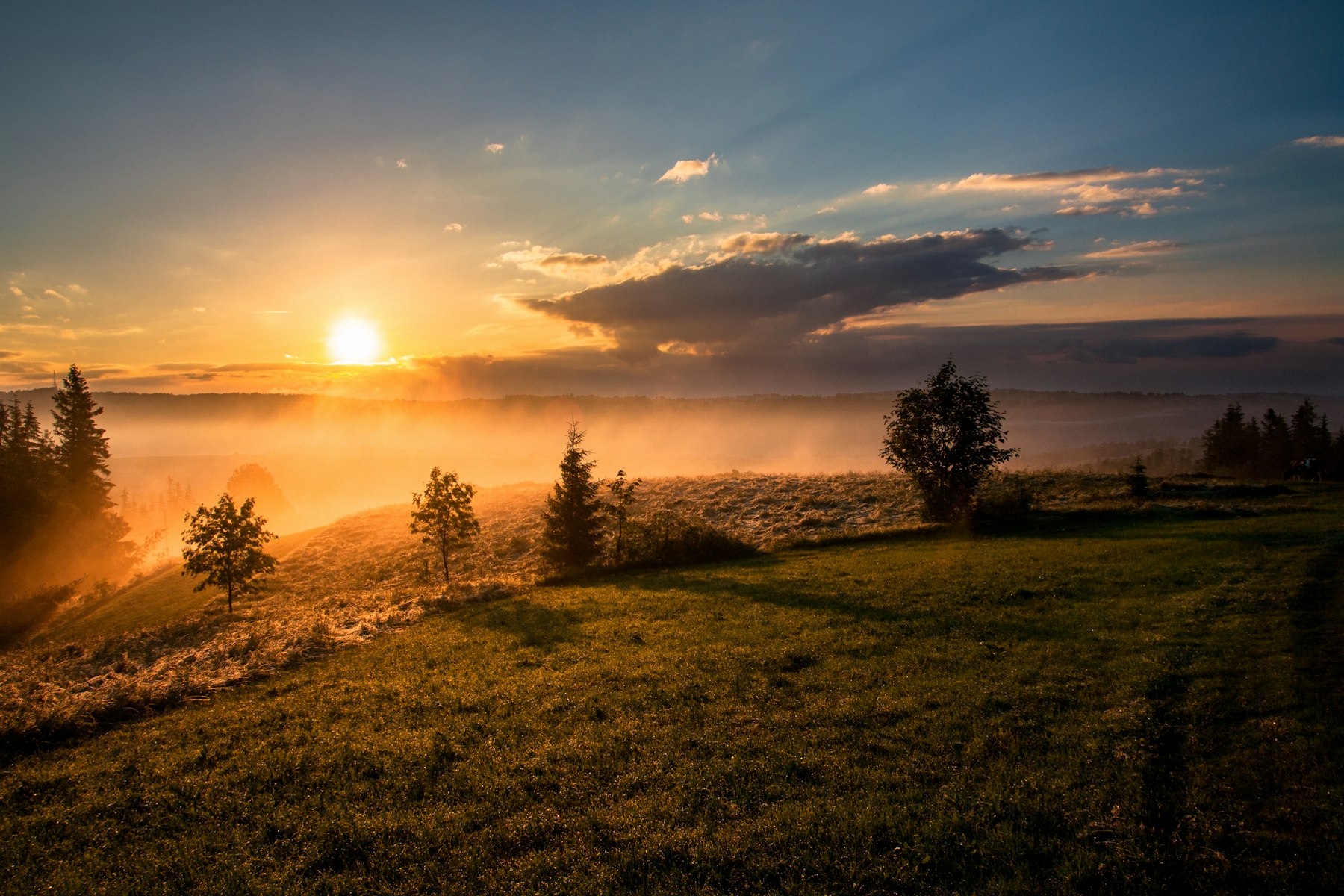
In Pictures
Scenes from Mount
Journeys Here
Safaris that visit Mount Kilimanjaro
9 Days / 8 NightsMount Kilimanjaro
Kilimanjaro — Machame Route
Seven days to the roof of Africa
View journey 9 Days / 8 Nights
Mahale Mountains · Katavi
Chimpanzee Expedition
Mahale, Katavi and the far west
View journey10 Days / 9 NightsMount Kilimanjaro
Kilimanjaro — Lemosho Route
Eight days, the best acclimatisation profile we run
View journeyGood to Know
Questions, answered
No. Kilimanjaro is a trek, not a technical climb. Good fitness, sensible pacing and proper acclimatisation matter far more than mountaineering skills.
Northern
Pairs well on the northern circuit
Mount Kilimanjaro is one of 9 destinations on the northern circuit. Most itineraries combine two or three.