Western Tanzania
Mahale Mountains National Park
Chimpanzees on a beach of white sand
Overview
Forested mountains drop straight into the clearest water in Africa, and somewhere on those slopes lives a community of around a thousand wild chimpanzees who have tolerated human company for half a century.
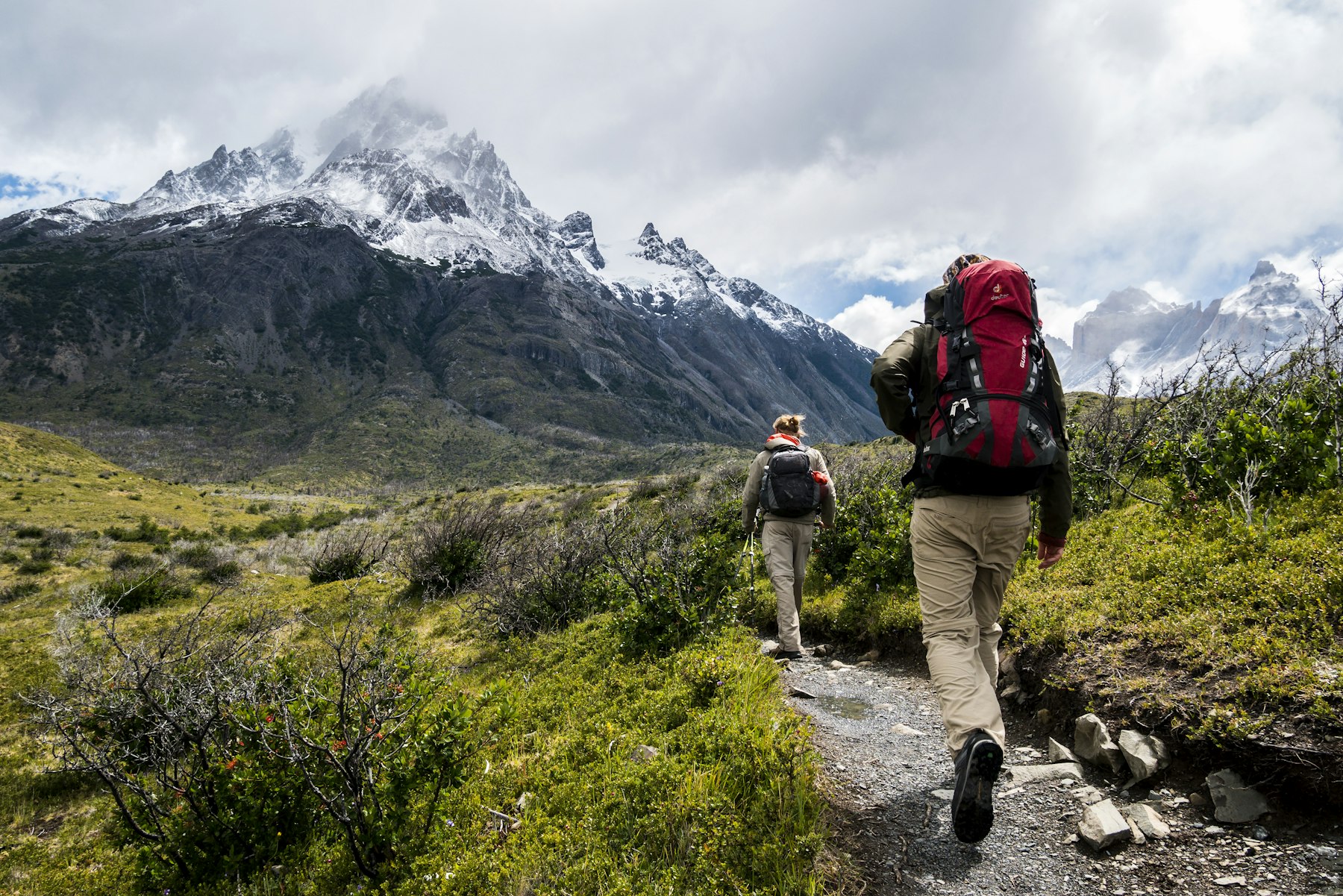
There are no roads in Mahale. You arrive by light aircraft and then by boat along the shore of Lake Tanganyika, and everything afterwards happens on foot or on the water. Trekking to the Mimikire chimp group means an hour to four hours of steep, humid climbing, after which you have a strictly limited hour in their company — close enough to hear them breathe.
The rest of the day belongs to the lake: snorkelling over cichlids in water you can see thirty metres down, kayaking, or doing very little at all on a beach with a mountain behind it. Mahale is consistently the most expensive place we send people and almost nobody comes back disappointed.
The landscape
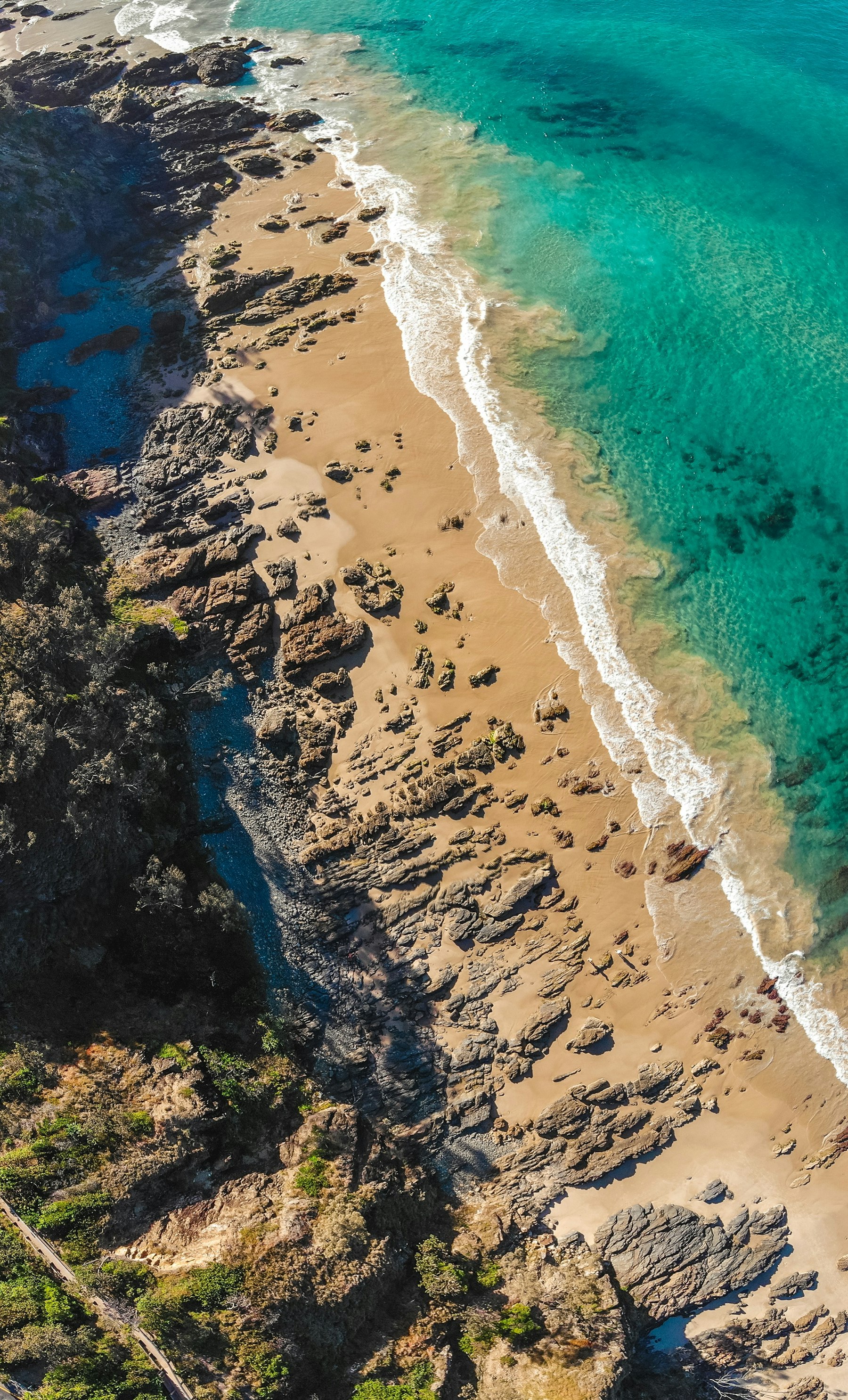
The Mahale range rising to 2,462 metres at Nkungwe peak, cloaked in rainforest and bamboo, meeting white sand beaches on Lake Tanganyika.
Quick facts
- Size
- 1,613 km²
- Highest point
- Nkungwe, 2,462 m
- Getting there
- Light aircraft to Mahale, then boat
- Ideal stay
- 4 nights minimum
Wildlife
Who lives here
- Around 1,000 chimpanzees, including a long-habituated community
- Red colobus, blue and red-tailed monkeys
- Endemic cichlid fish in Lake Tanganyika's clear water
- Occasional leopard, bushpig and forest antelope
Seasons
When to come
Dry seasonJune – October
Best trekking conditions; chimps generally lower on the slopes.
Green seasonNovember – March
Harder trekking but exceptional forest and clearer lake water.
Experiences
Chimpanzee trekking · Snorkelling on Lake Tanganyika · Kayaking · Forest walks · Dhow trips
In Pictures
Scenes from Mahale
Journeys Here
Safaris that visit Mahale Mountains National Park
Good to Know
Questions, answered
No, but the odds are very good — well over 90% across a stay of three or four days, which is exactly why we insist on four nights rather than two.
Western
Pairs well on the western circuit
Mahale Mountains National Park is one of 4 destinations on the western circuit. Most itineraries combine two or three.