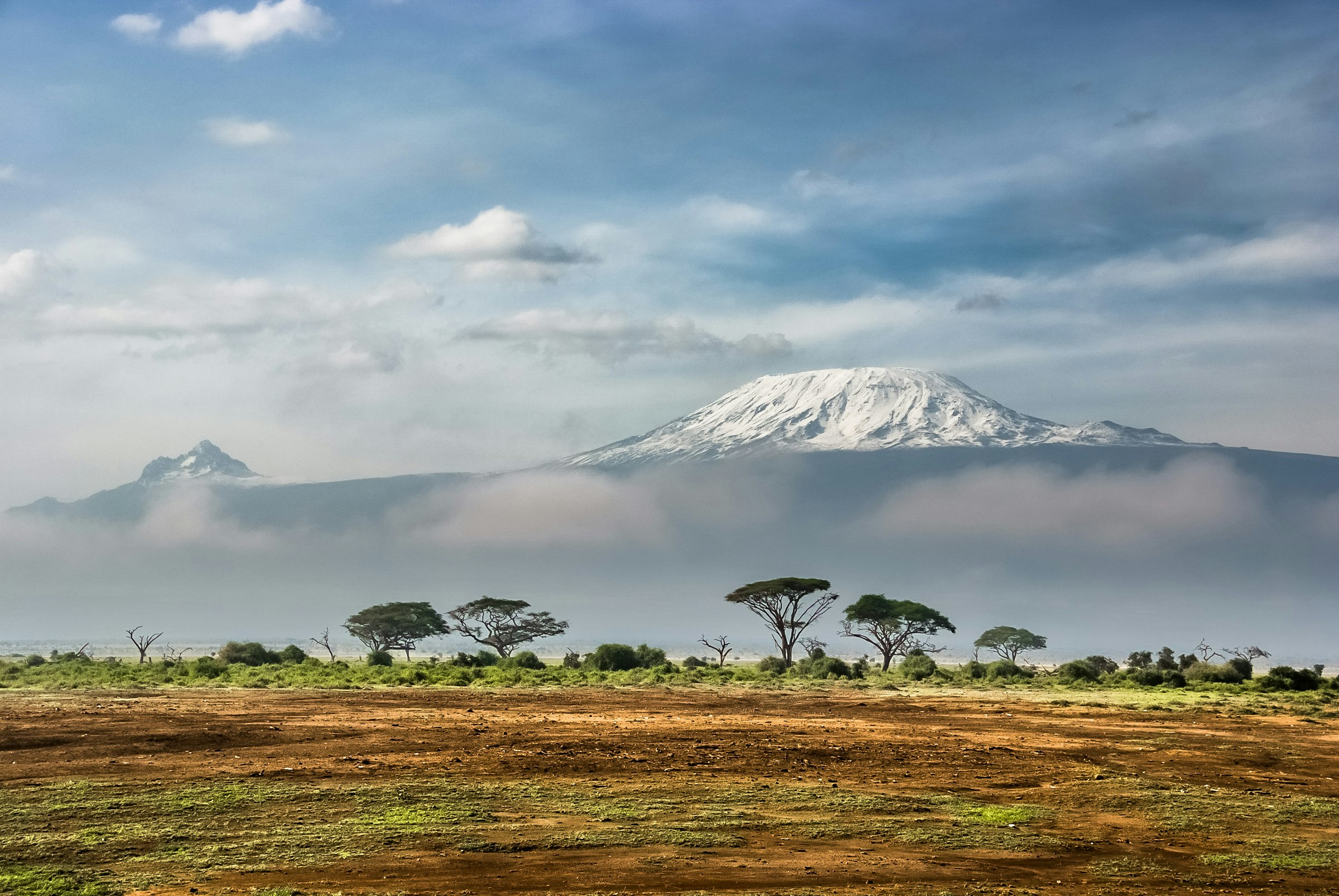
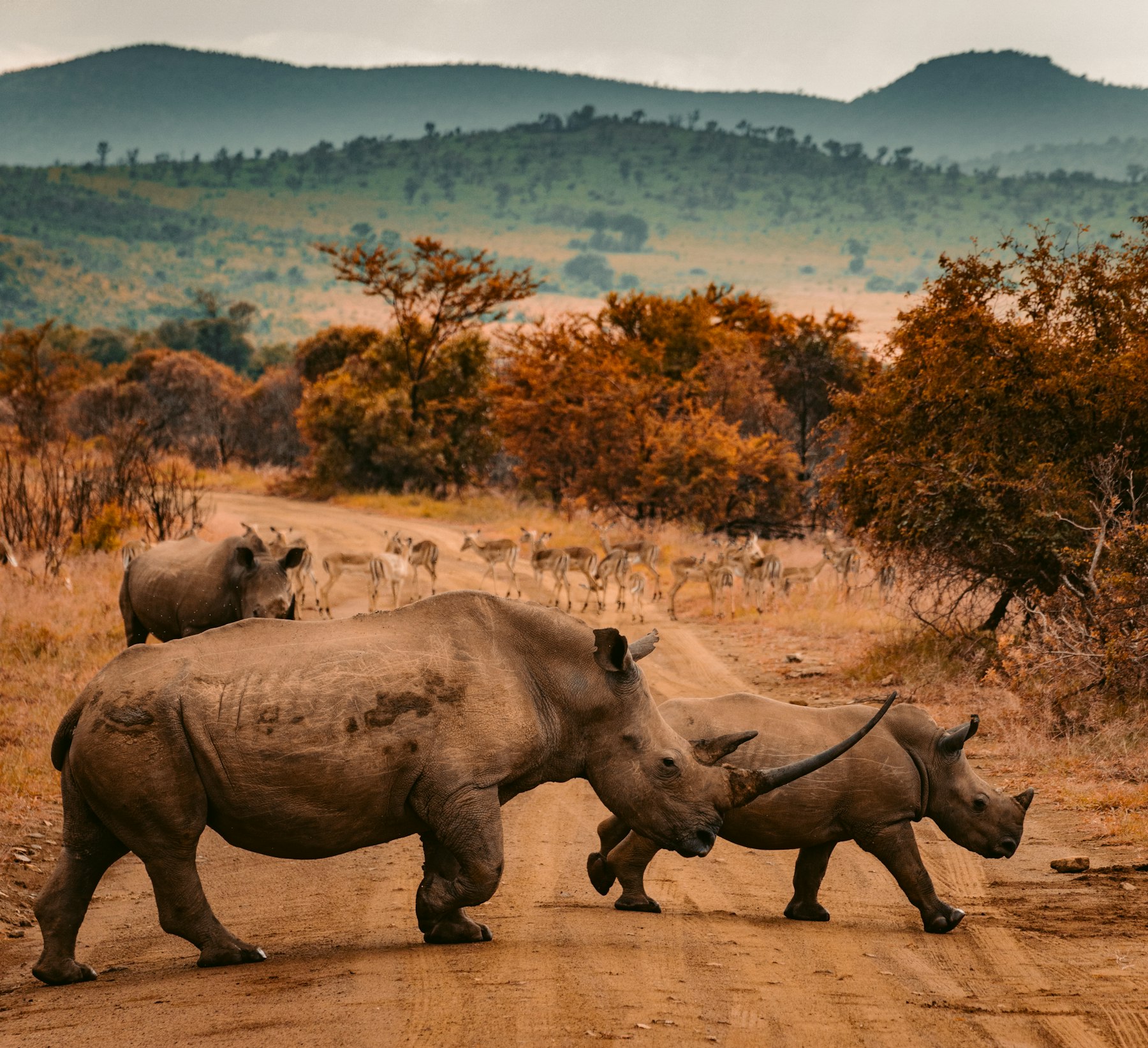
Northern Tanzania
Ngorongoro Crater
Eden inside a fallen volcano
Overview
Three million years ago a volcano the size of Kilimanjaro collapsed in on itself. What remains is a 260-square-kilometre natural amphitheatre sheltering one of the densest concentrations of wildlife anywhere in Africa.
Descending the crater wall at first light, through mist and highland forest, is one of safari's great theatrical entrances. On the crater floor, lion, elephant, buffalo and some of Tanzania's last black rhino live within a single sweeping panorama.
Ngorongoro pairs naturally with the Serengeti and Tarangire on a northern circuit itinerary, and the surrounding highlands offer walks, Maasai cultural visits and views that stay with you for life.
The landscape
A 600-metre-deep caldera of open grassland, soda lake, swamp and fever-tree forest, ringed by highland rainforest on the crater rim.
Quick facts
- Crater floor
- 260 km²
- Depth
- ≈ 600 m
- Status
- UNESCO World Heritage Site
- Drive from Arusha
- ≈ 3.5 hours
Wildlife
Who lives here
- One of the best places in Tanzania to see black rhino
- Large prides of lion and clans of spotted hyena
- Huge bull elephants with some of Africa's largest tusks
- Flamingo flocks on Lake Magadi's soda shallows
Seasons
When to come
Dry seasonJune – October
Concentrated game viewing and clear crater views.
Green seasonNovember – May
Lush scenery, newborn animals and quieter mornings.
Experiences
Crater game drives · Maasai cultural visits · Highland walks · Photography safari
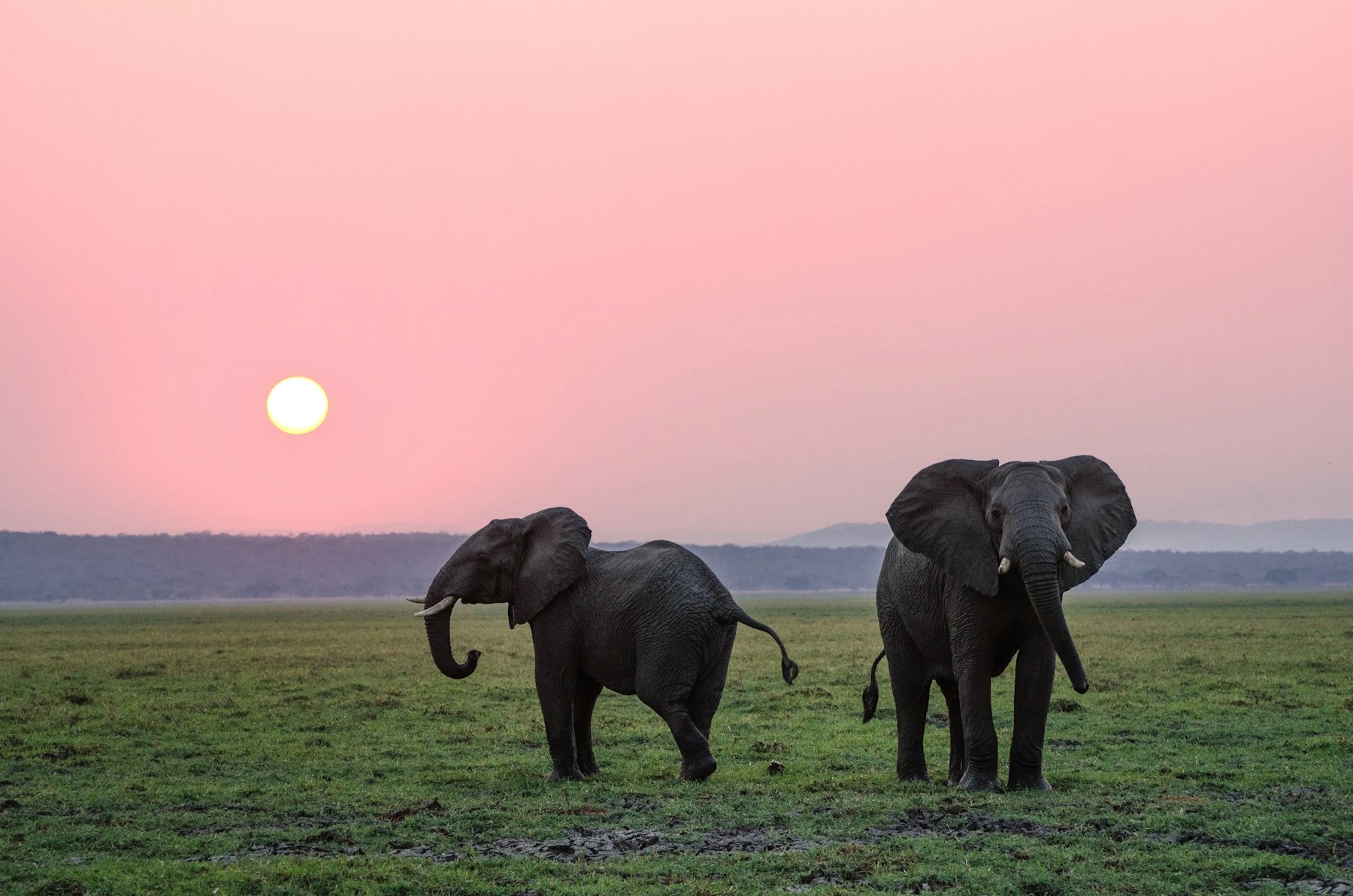
In Pictures
Scenes from Ngorongoro



Journeys Here
Safaris that visit Ngorongoro Crater
7 Days / 6 NightsTarangire · Ngorongoro Crater · Serengeti
Serengeti Signature Safari
The essential northern circuit, done properly
View journey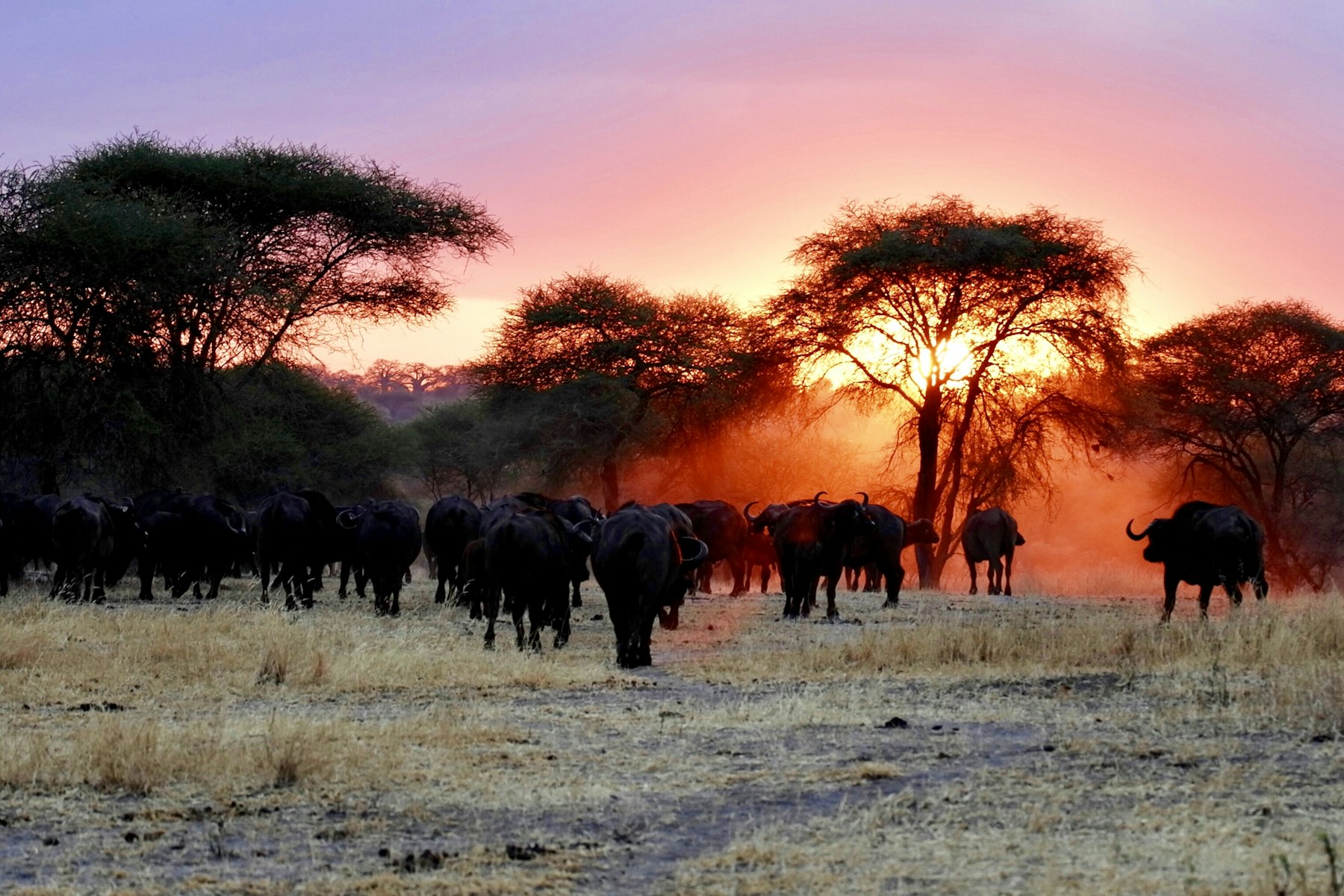 8 Days / 7 Nights
Ngorongoro Crater · Serengeti
Great Migration Safari
Follow the greatest show on Earth
View journey 10 Days / 9 Nights
Ngorongoro Crater · Serengeti · Zanzibar
Bush & Beach
Serengeti drama, Zanzibar calm
View journeyGood to Know
Questions, answered
Yes — game viewing is so concentrated that a single full day on the crater floor is typically enough, ideally starting at dawn. We then recommend spending a second night on the rim or in the Karatu highlands.
Northern
Pairs well on the northern circuit
Ngorongoro Crater is one of 9 destinations on the northern circuit. Most itineraries combine two or three.