Western Tanzania
Rubondo Island National Park
An island sanctuary on Lake Victoria
Overview
A forested island in Africa's largest lake, where chimpanzees rescued from European zoos in the 1960s have re-wilded themselves so completely that tracking them is a genuine expedition.
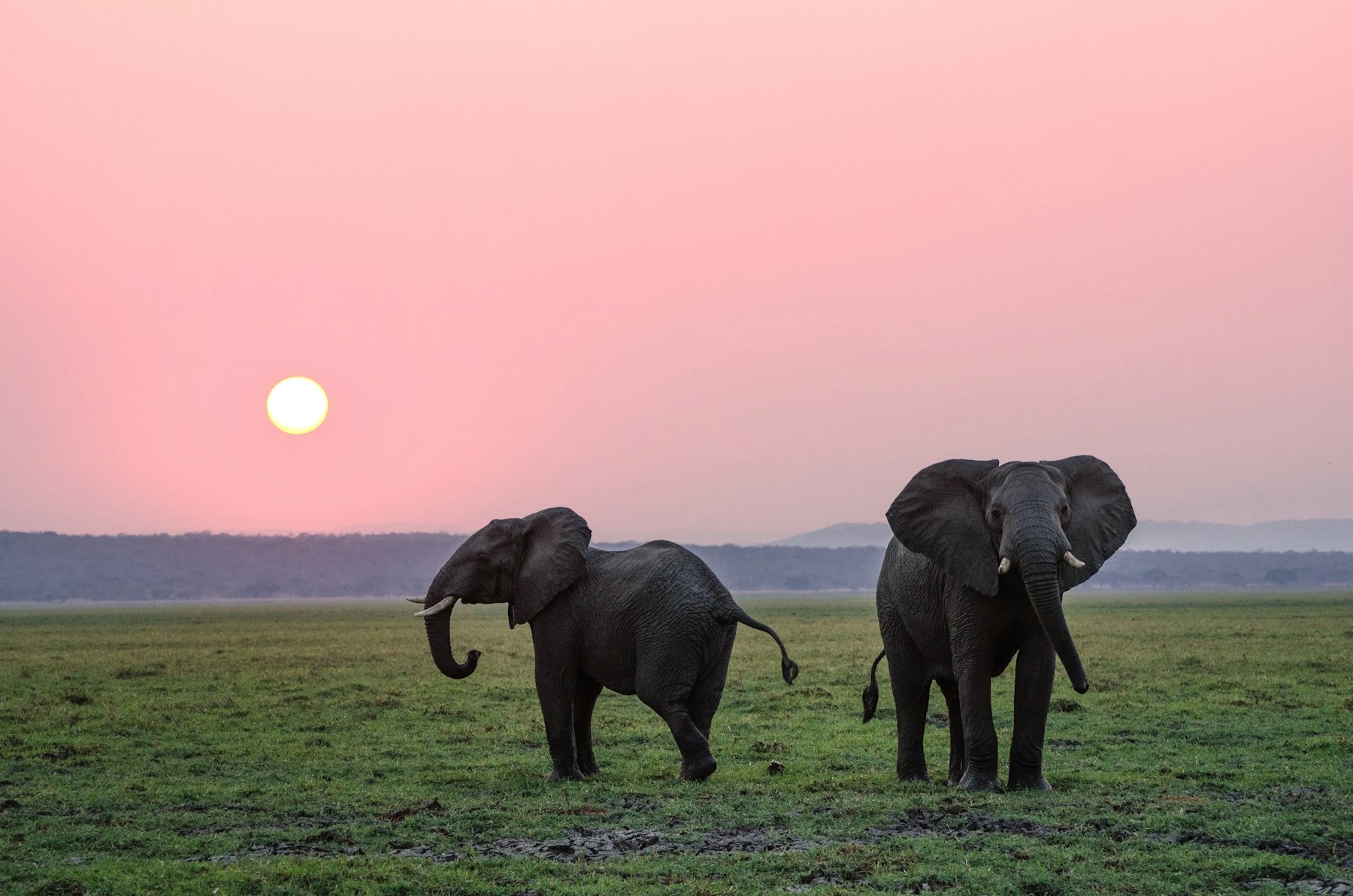
Rubondo is a conservation experiment that quietly worked. Chimps, elephant, giraffe and black-and-white colobus were introduced onto a predator-light island; sitatunga, the swamp-dwelling antelope that swims, were already there in remarkable numbers. Sixty years on it functions as a working ecosystem and a sanctuary.
Almost nobody visits. You can walk, kayak the shoreline, fish for Nile perch, or track the chimpanzee habituation project with the researchers who run it. For travellers already in the Serengeti's western corridor, the flight over is short.
The landscape
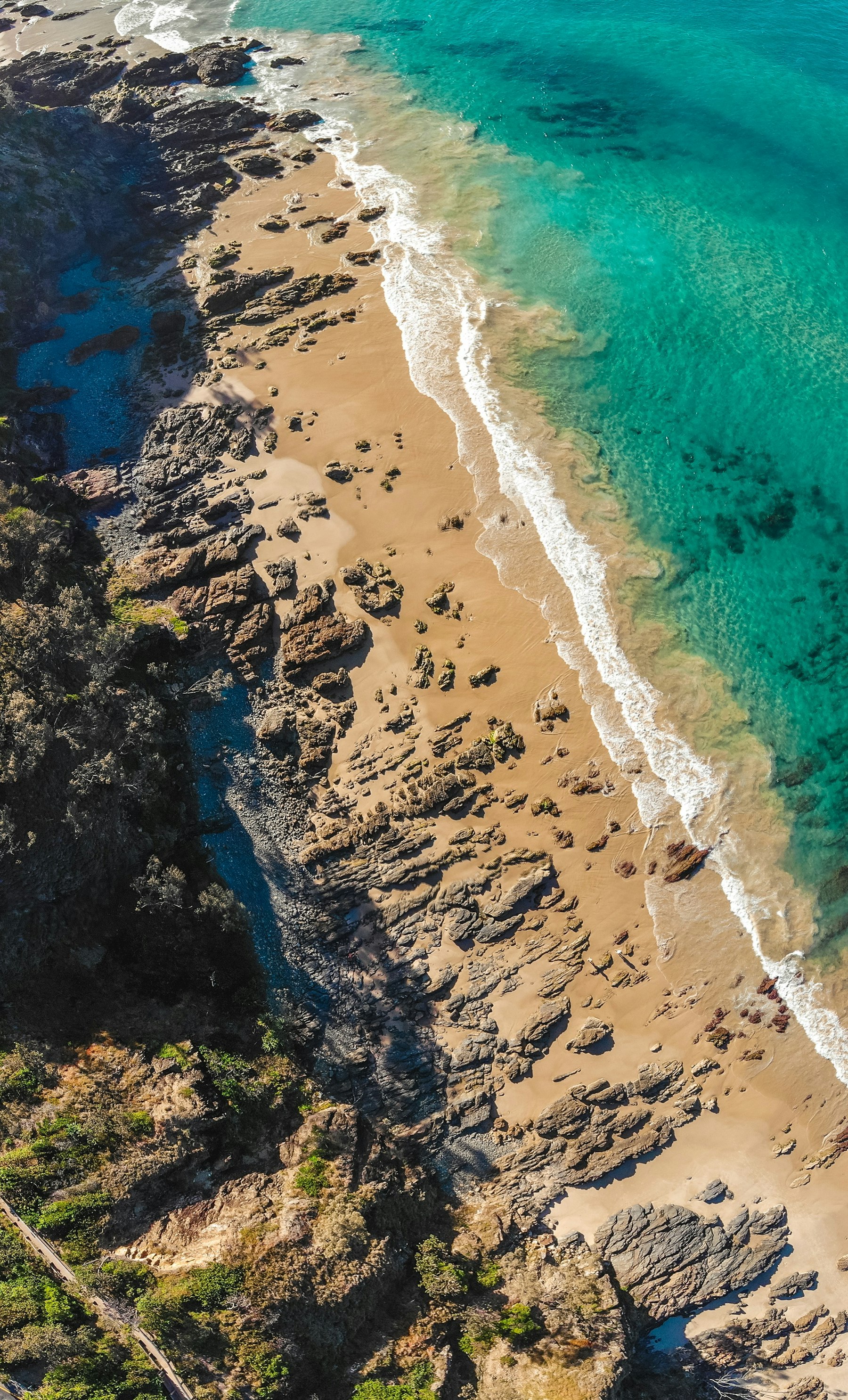
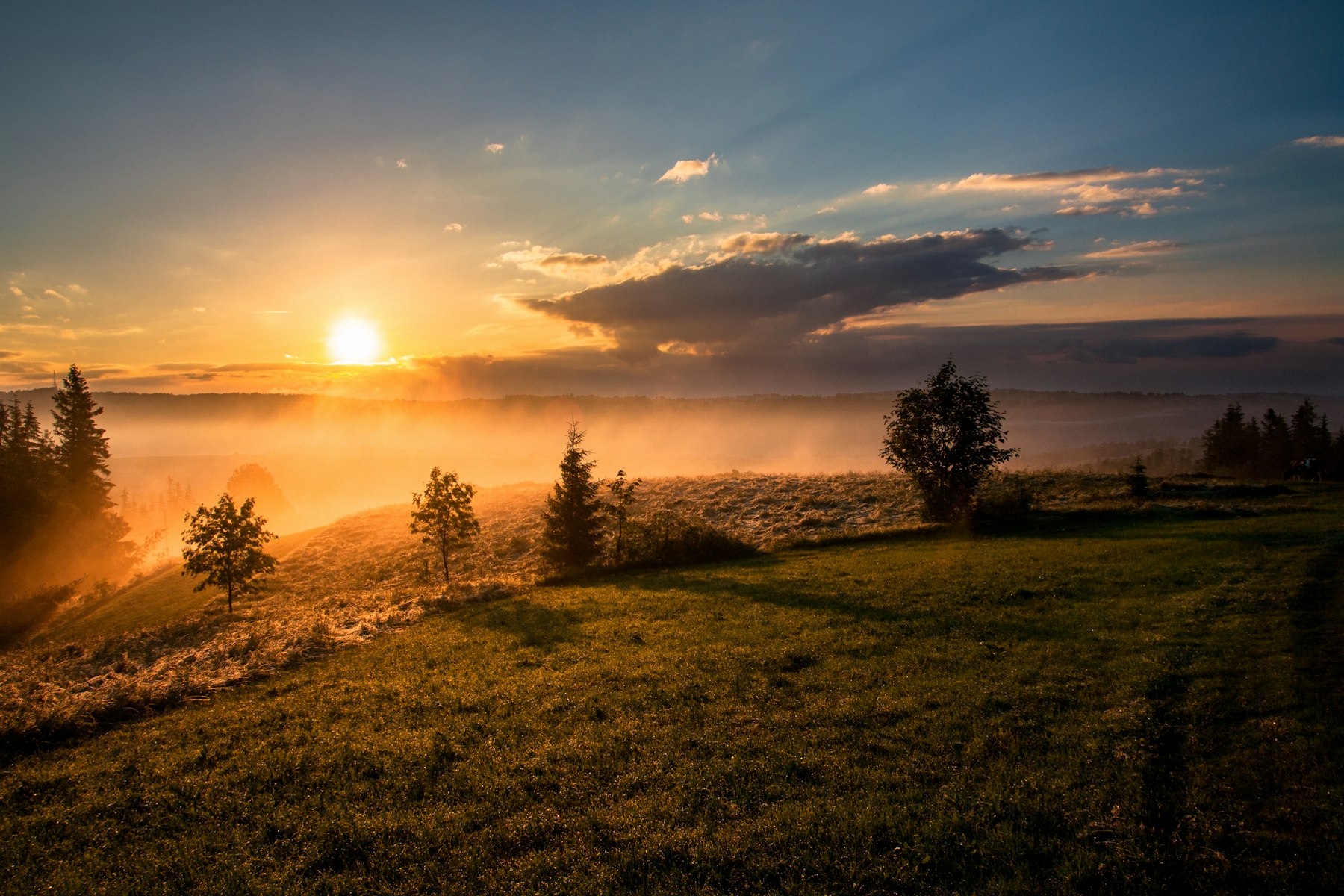
Evergreen forest, papyrus swamp and open grassland across a long, low island fringed by sandy bays on Lake Victoria.
Quick facts
- Size
- 456 km²
- Getting there
- Charter flight from the Serengeti or Mwanza
- Famous for
- Re-wilded chimpanzees and sitatunga
- Ideal stay
- 3 nights
Wildlife
Who lives here
- A re-wilded chimpanzee population under active habituation
- The highest density of sitatunga antelope anywhere
- Introduced elephant, giraffe and colobus
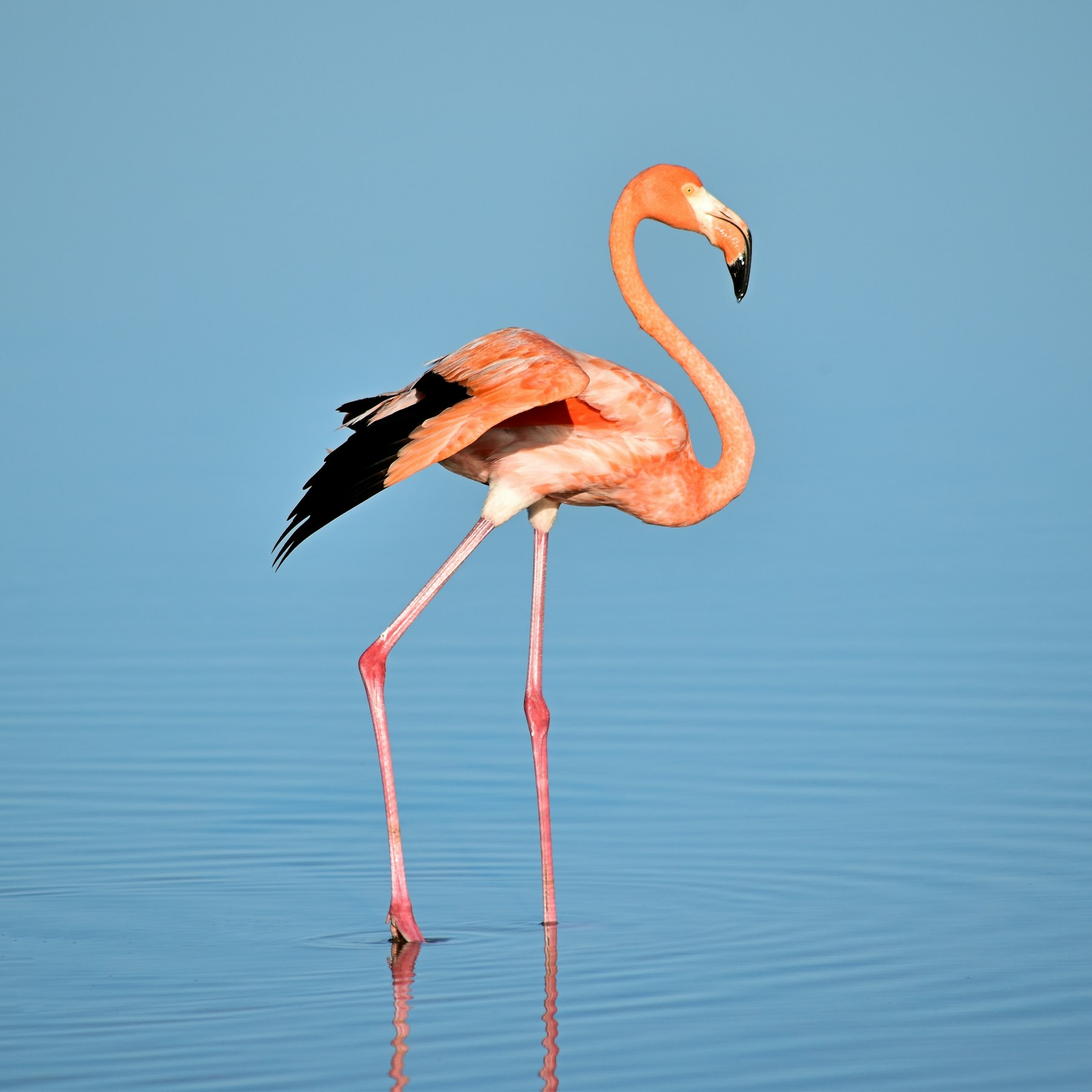
- Fish eagles, storks and over 300 bird species
Seasons
When to come
Dry seasonJune – August
Easiest forest walking and reliable boat conditions.
Green seasonNovember – March
Migrant birds arrive; butterflies and wildflowers peak.
Experiences
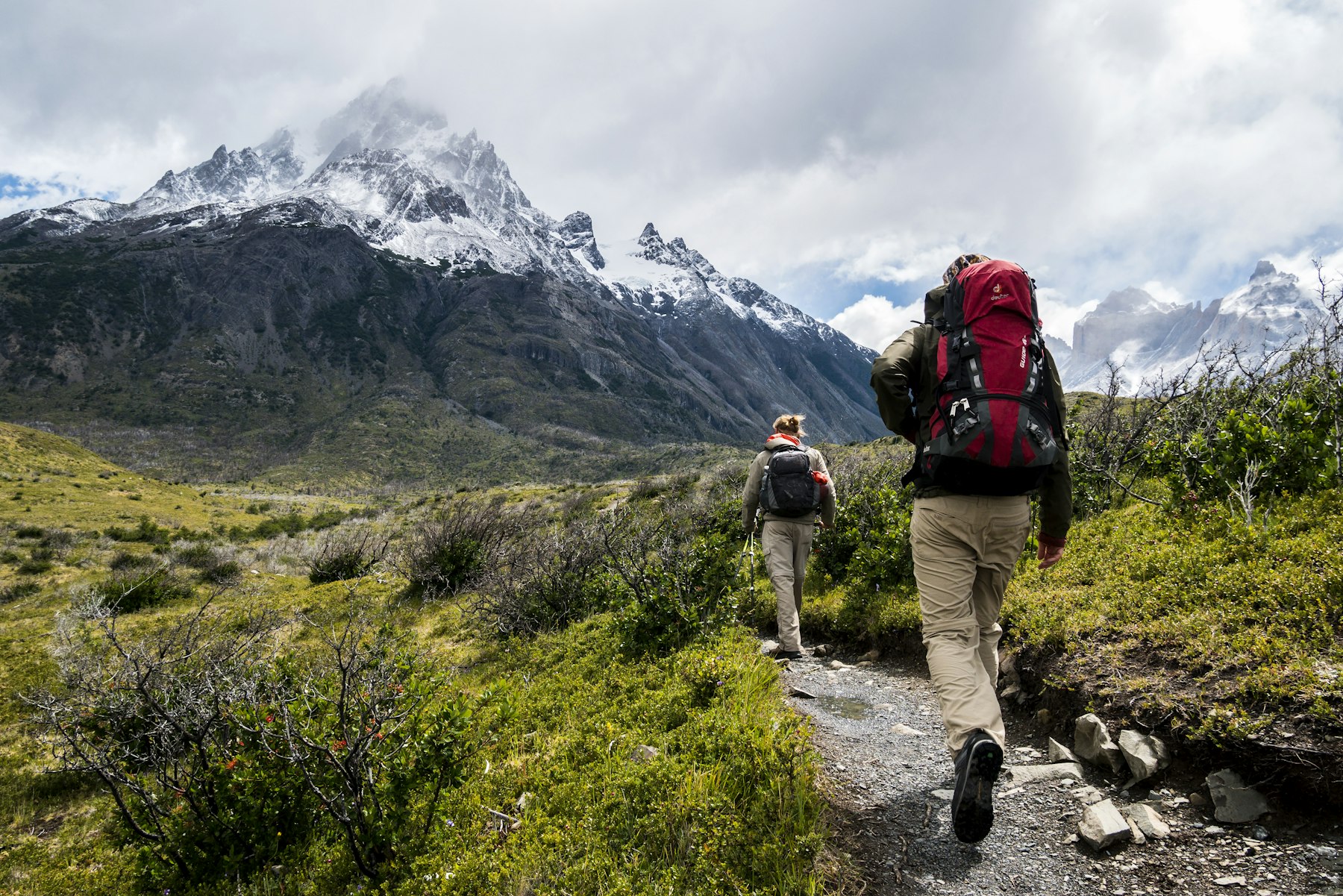
Chimp habituation tracking · Kayaking and boat safaris · Sport fishing for Nile perch · Forest walks · Birdwatching
In Pictures
Scenes from Rubondo
Journeys Here
Safaris that visit Rubondo Island National Park
 7 Days / 6 Nights
Tarangire · Ngorongoro Crater · Serengeti
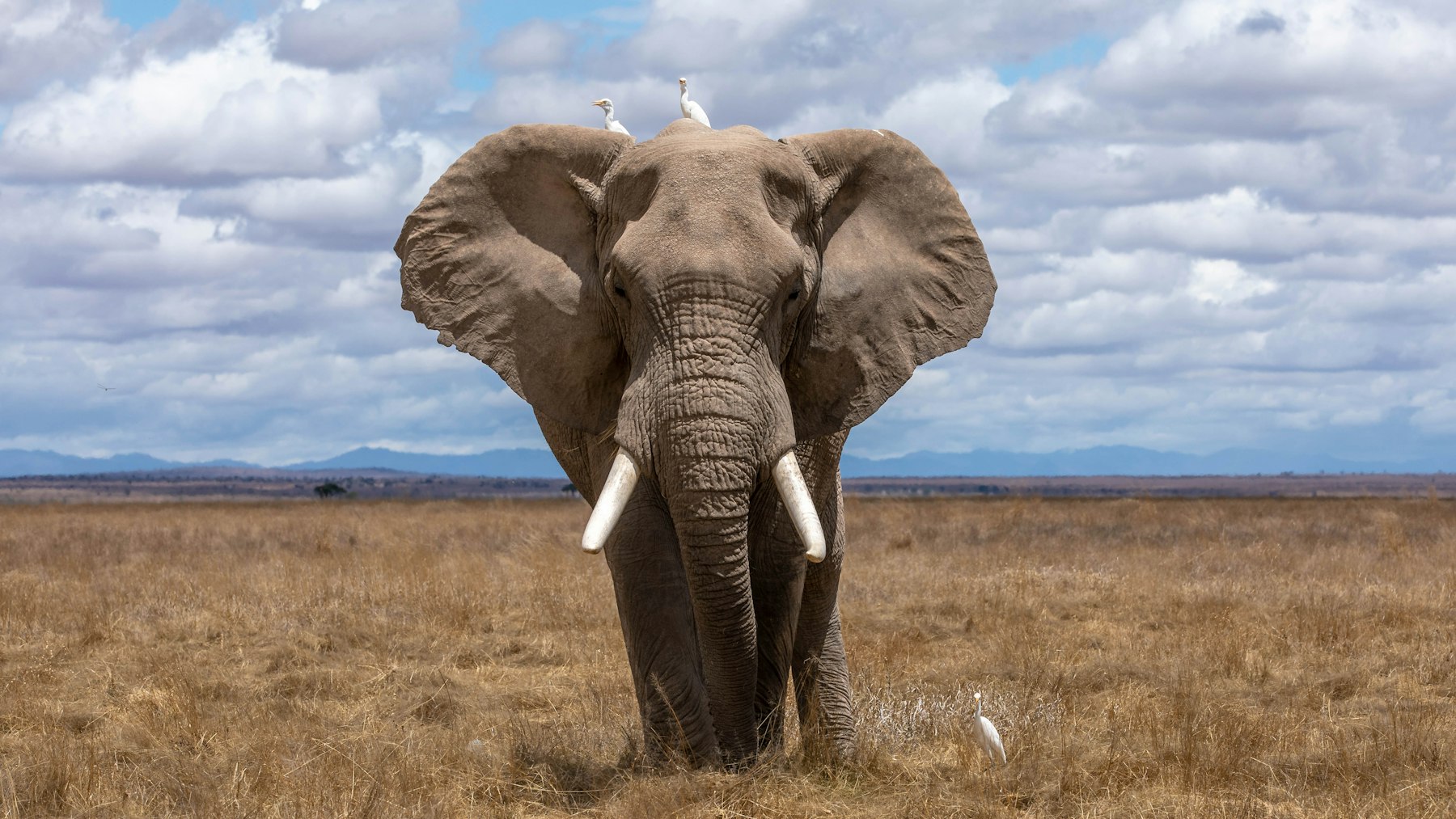
Serengeti Signature Safari
The essential northern circuit, done properly
View journey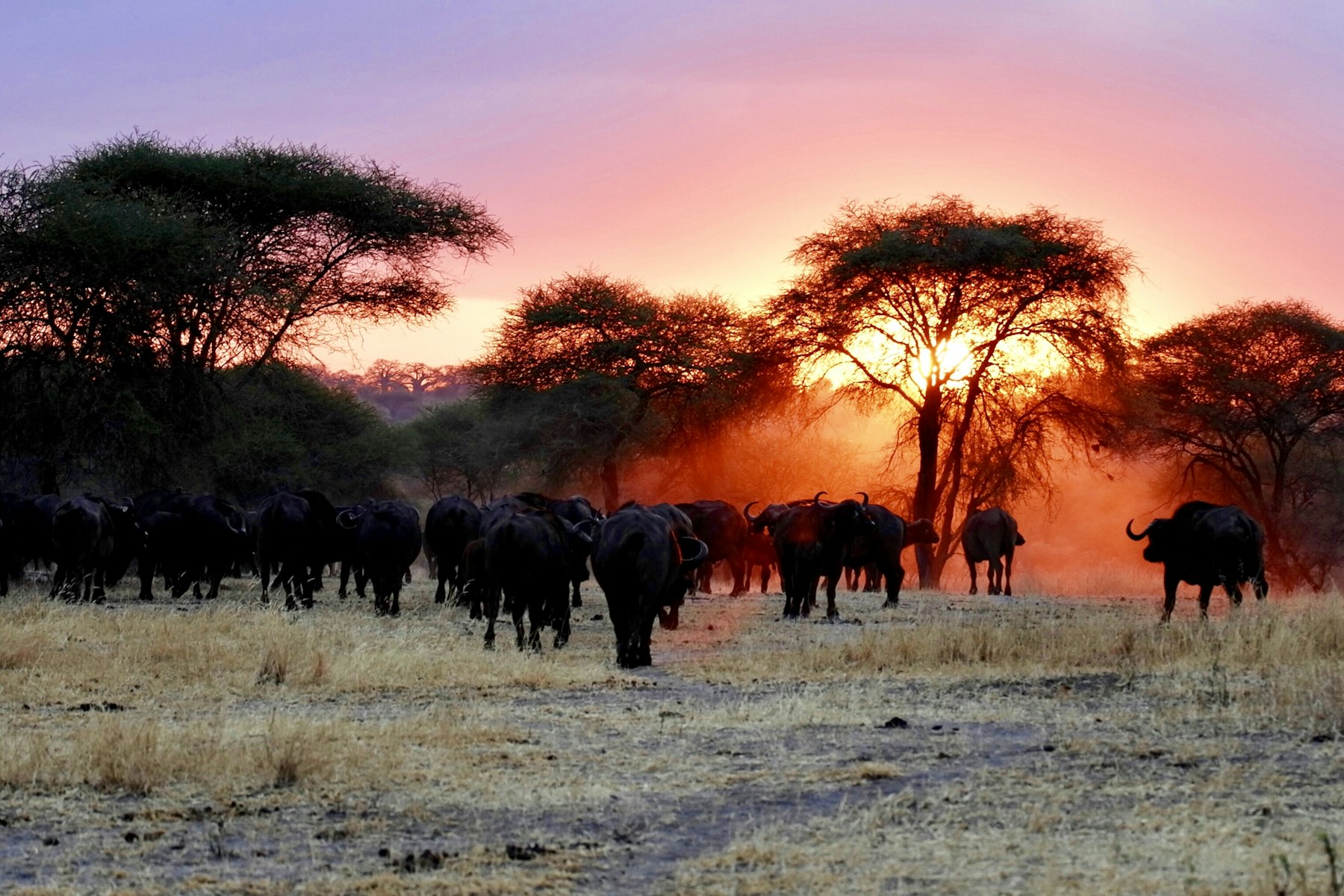 8 Days / 7 Nights
Ngorongoro Crater · Serengeti
Great Migration Safari
Follow the greatest show on Earth
View journey9 Days / 8 NightsMount Kilimanjaro
Kilimanjaro — Machame Route
Seven days to the roof of Africa
View journeyGood to Know
Questions, answered
You can join the habituation tracking, which is different from trekking a habituated group — sightings are less certain and the walking is harder, but you are part of live conservation work.
Western
Pairs well on the western circuit
Rubondo Island National Park is one of 4 destinations on the western circuit. Most itineraries combine two or three.