Northern Tanzania
Serengeti National Park
The land that runs forever
Overview
The Serengeti is not a place you visit; it is a place that happens to you. Nearly 15,000 square kilometres of grassland, kopjes and acacia woodland hold the greatest concentration of large mammals left on Earth.
From the granite kopjes of Seronera to the remote river country of the north, the Serengeti rewards travellers who take their time. Big cats hunt on open plains, elephant families drift between woodlands, and every dry-season dawn brings the low thunder of hooves somewhere over the horizon.
Vemi Safaris designs Serengeti itineraries around the movement of the herds and the rhythm of the seasons — placing you in the right sector of the park at the right time of year, away from the busiest circuits whenever possible.
The landscape
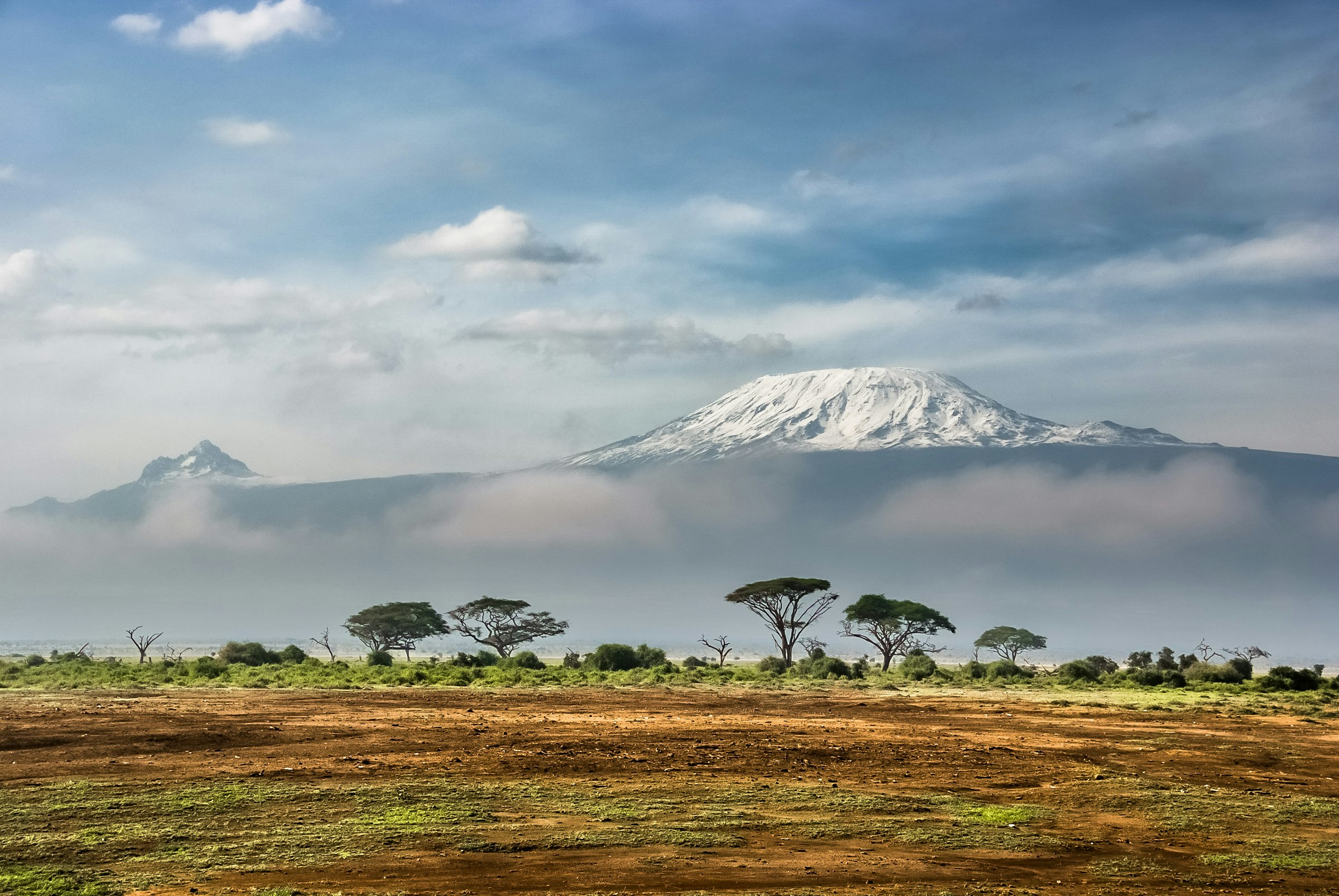
Endless short-grass plains in the south give way to riverine forest along the Grumeti and Mara rivers, punctuated by ancient granite kopjes where lions survey their territory.
Quick facts
- Size
- 14,750 km²
- Status
- UNESCO World Heritage Site
- Famous for
- The Great Migration
- Getting there
- Fly-in from Arusha or drive the northern circuit
Wildlife
Who lives here
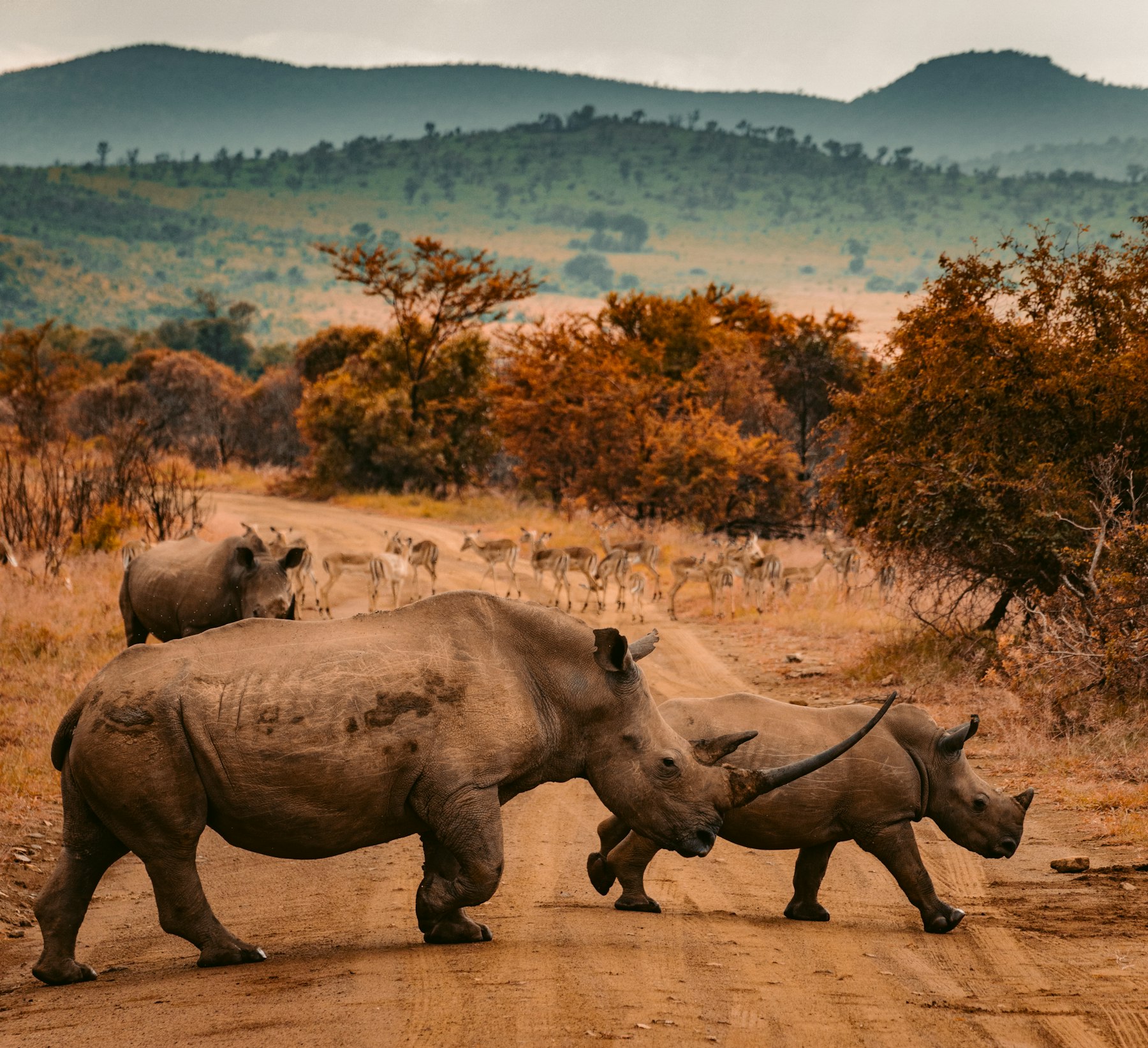
- Over 1.5 million wildebeest and 250,000 zebra on migration
- The largest lion population in Africa
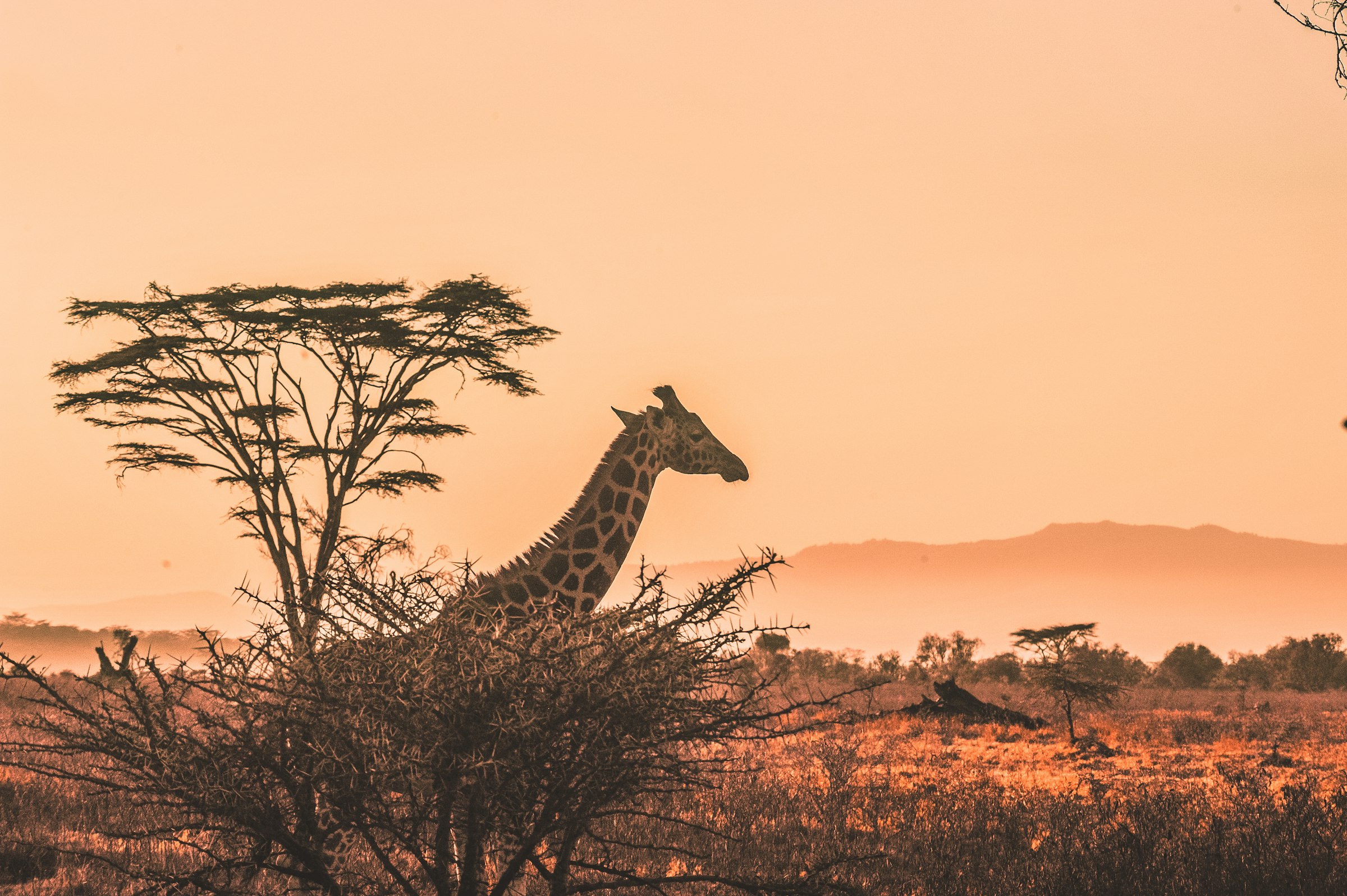
- Leopard, cheetah, elephant, giraffe and buffalo
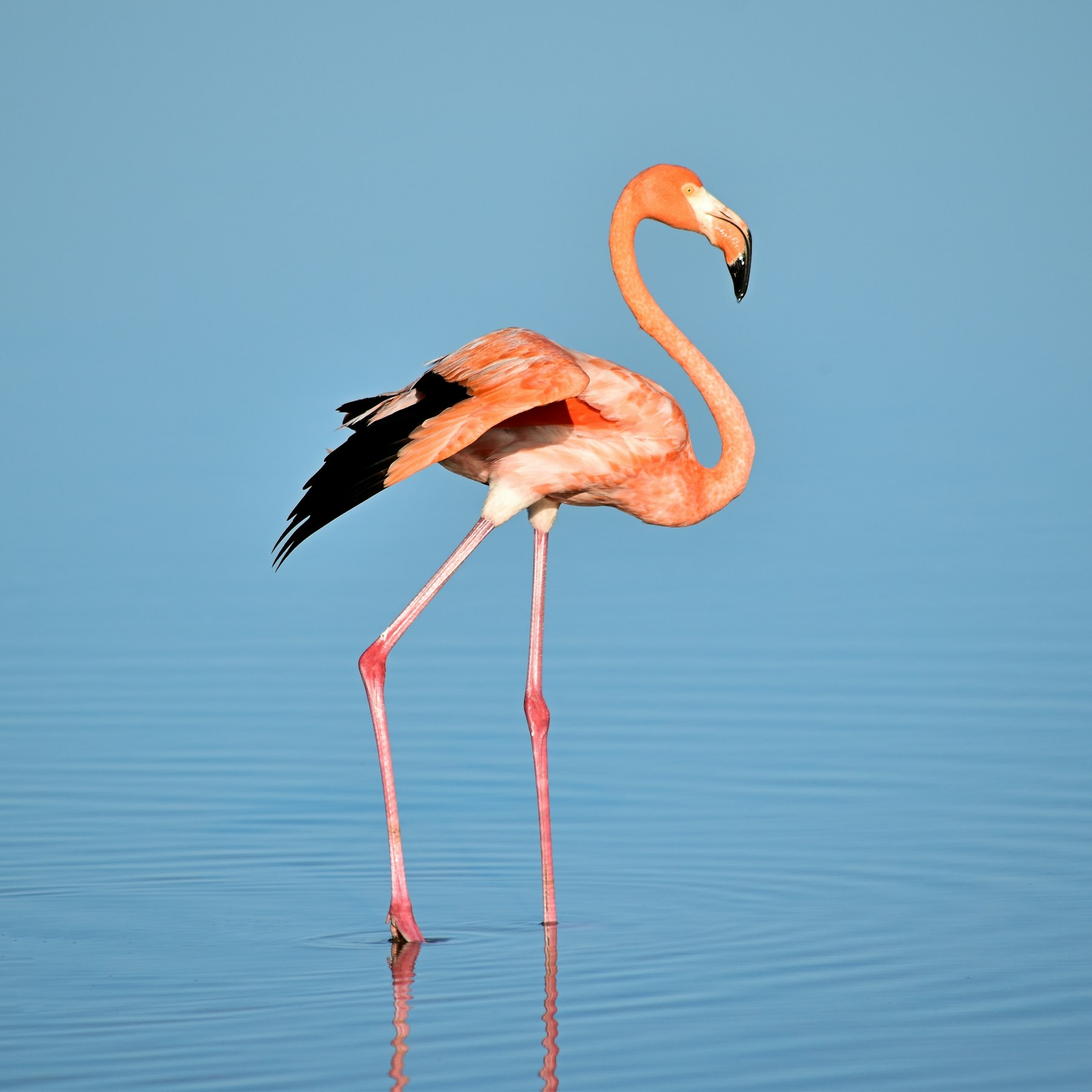
- More than 500 recorded bird species
Seasons
When to come
Green seasonDecember – March
Calving on the southern plains; dramatic skies and fewer vehicles.
Dry seasonJune – October
River crossings in the west and north; superb general game viewing.
Experiences
Game drives · Hot-air balloon safari · Migration tracking · Photography safari · Fly-in safari
In Pictures
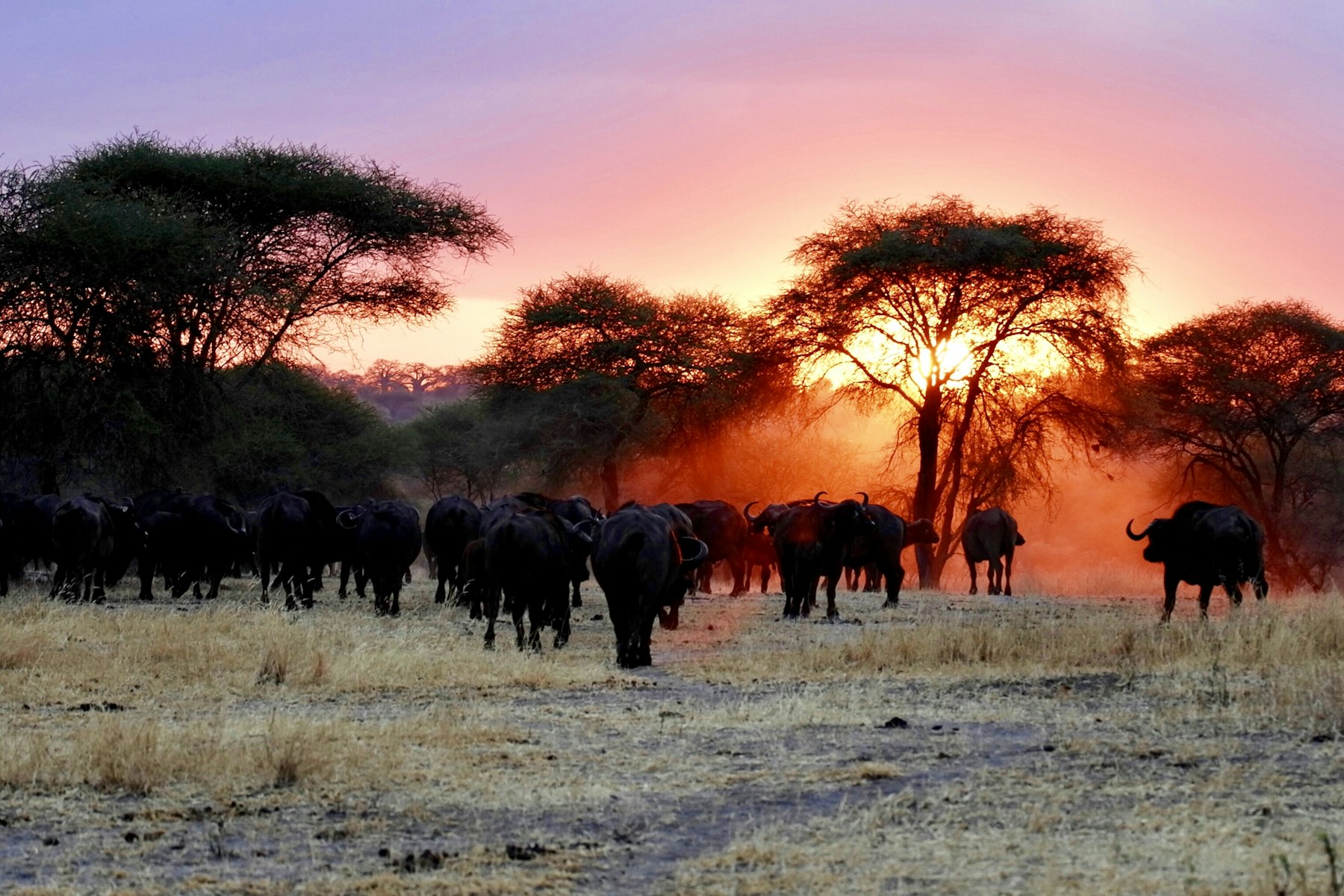
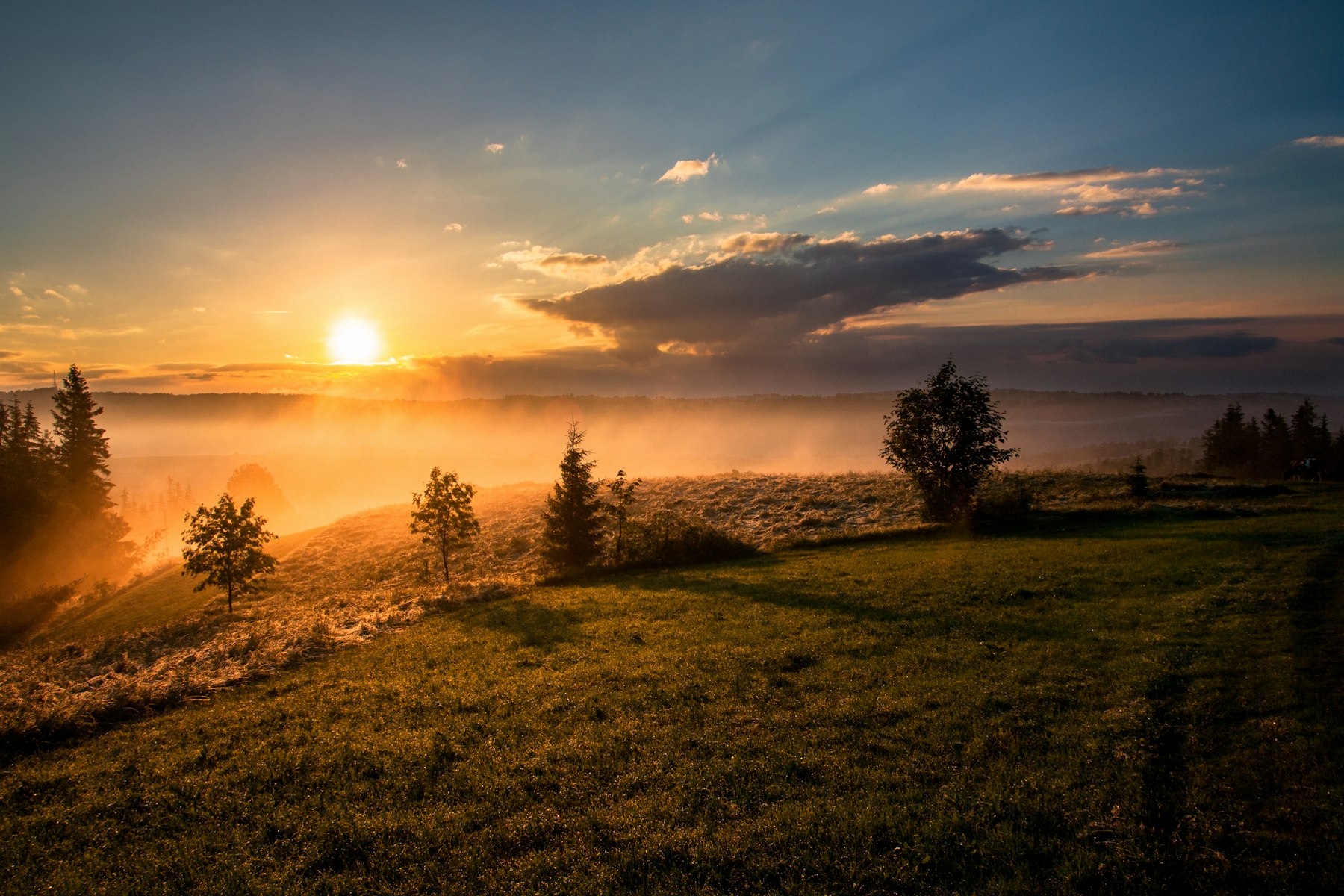
Scenes from Serengeti

Journeys Here
Safaris that visit Serengeti National Park
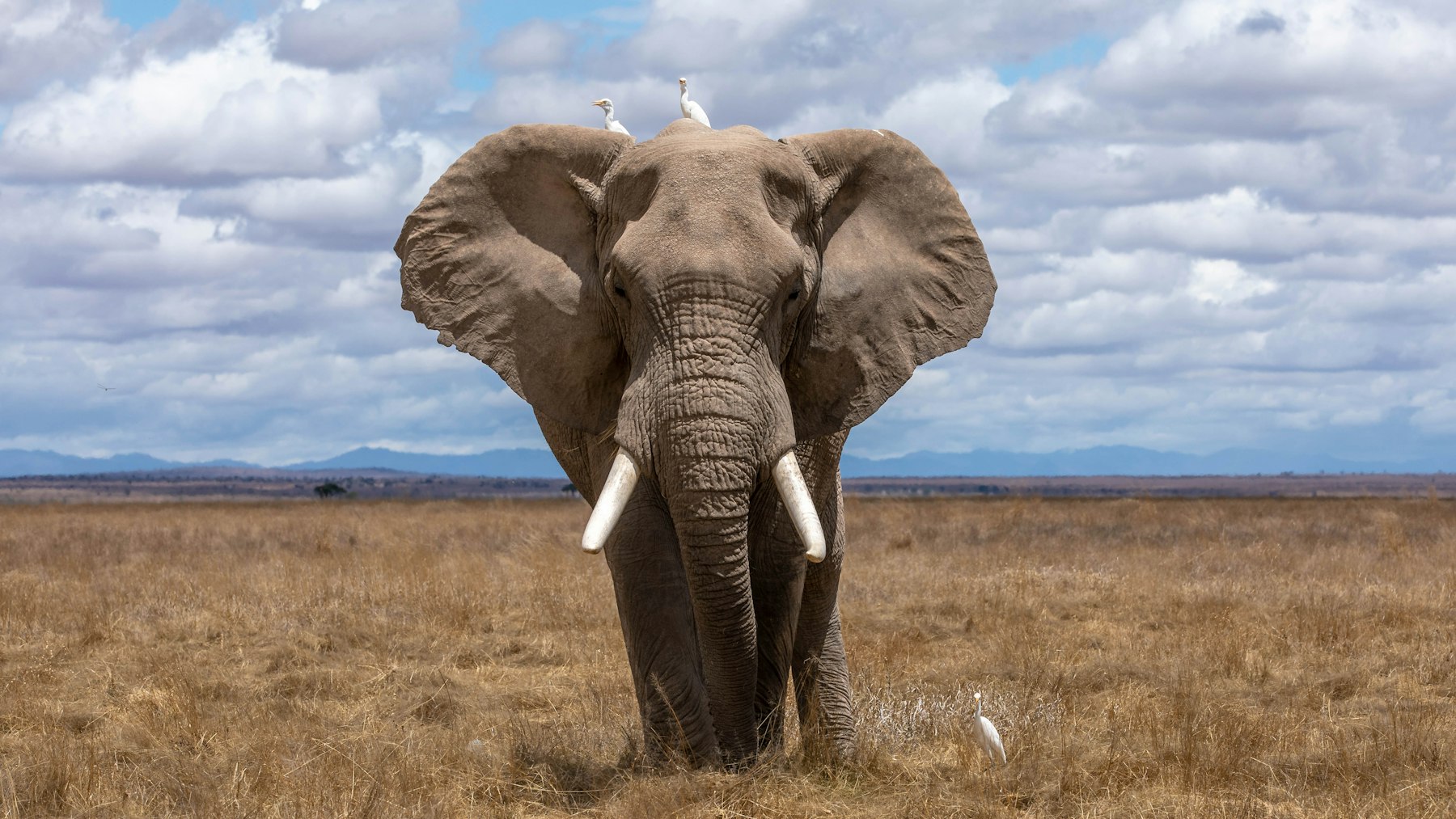 7 Days / 6 Nights
Tarangire · Ngorongoro Crater · Serengeti
Serengeti Signature Safari
The essential northern circuit, done properly
View journey8 Days / 7 NightsNgorongoro Crater · Serengeti
Great Migration Safari
Follow the greatest show on Earth
View journey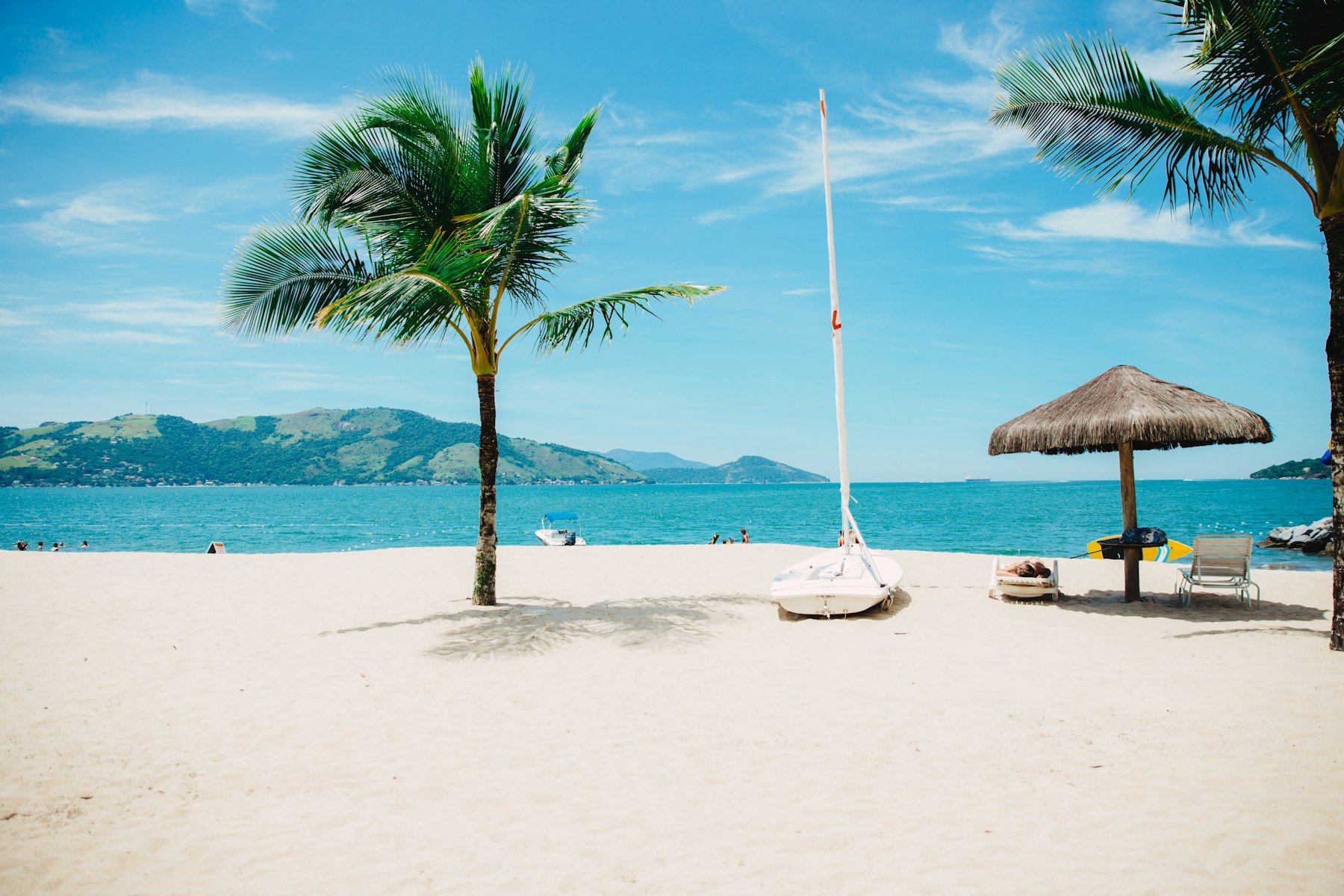 10 Days / 9 Nights
Ngorongoro Crater · Serengeti · Zanzibar
Bush & Beach
Serengeti drama, Zanzibar calm
View journeyGood to Know
Questions, answered
We recommend a minimum of three nights. The park is vast — with four or more nights we can combine two sectors, for example the Seronera valley and the northern river country.
Northern
Pairs well on the northern circuit
Serengeti National Park is one of 9 destinations on the northern circuit. Most itineraries combine two or three.