

Neither this site nor anyone who answers the call receives a commission or fee dependent upon which treatment provider a visitor may ultimately choose. By Geralyn Dexter, PhD, LMHCDexter has a doctorate in psychology and is a licensed mental health counselor with a focus on suicidal ideation, self-harm, and mood disorders. Self-efficacy refers to a person’s confidence in their own ability to achieve something.
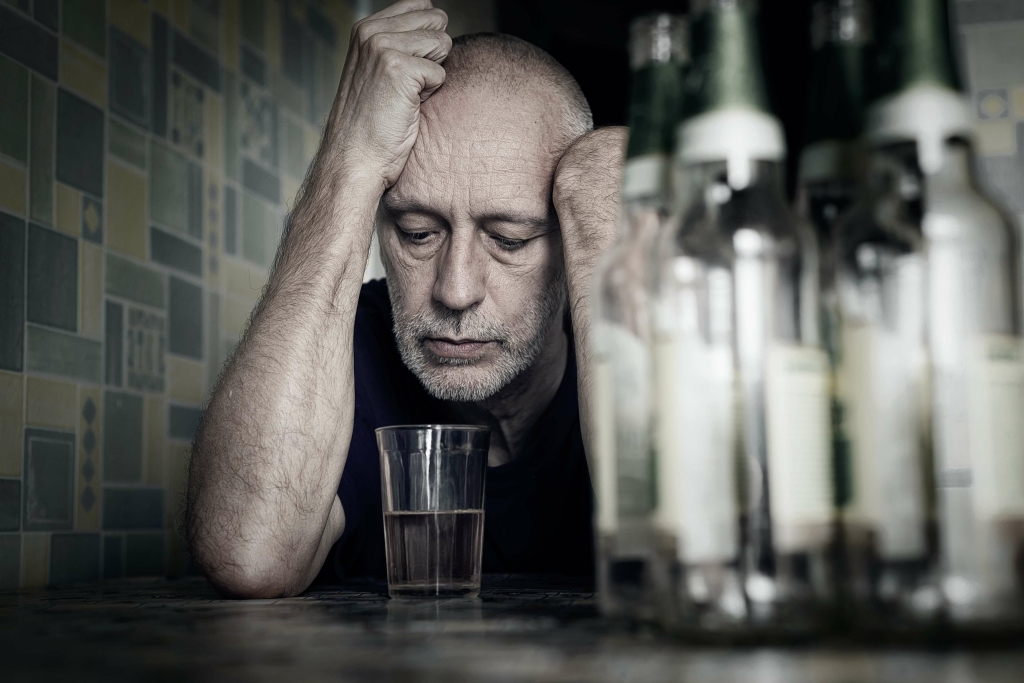
Mental Health and Loneliness

But “slip” vs. “relapse” are not interchangeable terms, and these setbacks require different responses. One way to combat loneliness and isolation is to ensure you have a good support system whether it be friends, family members, others in your recovery program or even a therapist or counselor. Or, consider joining a club or meetup group based on your favorite activities in order to meet new friends and feel more connected to the community.
You aren’t handling life’s ups and downs well.
These include how long the relapse lasted and how much you were drinking during the relapse. An extended relapse with heavy drinking can put you at risk ofalcohol withdrawalsymptoms, which can be dangerous. If you’ve experienced an extended relapse, you’ll likely benefit frommedical detox, where any withdrawal symptoms are managed under medical supervision. Once your doctors in detox have made a full assessment of your condition, they will be able to recommend whether or not they think you would benefit from going back to rehab. Likewise, if you have not previously completedalcohol rehabafter alcohol detox, you should consider this Alcohol Relapse as a way toincrease your chances of long-term sobriety. With a relapse prevention plan, it is possible to acknowledge and act upon certain feelings and events, in turn avoiding a physical relapse (which is the stage when someone returns to drug or alcohol use).
Tip: Work on your mental health.
Relapse statistics show that the first year after treatment is particularly challenging. Sustained support and treatment adjustment are important during the early stages of recovery. Following formal treatment, many patients benefit from entering some form of aftercare. This can range from attending 12-step alcohol rehab meetings to living in a sober living facility after completing an inpatient or residential program. But failure to cope with cravings and other mental stressors can result in a need to “escape” through relapse.
Effects of Alcoholic Relapse
When facing a relapse, it can be helpful to reinvest energy and time intosupport groups. If you have a sponsor, they should be one of the first people you turn to if you feel like a relapse is a possibility. Since they’ve likely been in your shoes, they may have some insight and suggestions. Contacting the supportive people in your life can have a tremendous impact on cravings and relapse.
- It’s accidentally taking a swig of rum in the piña colada after you explicitly requested non-alcoholic.
- You had a vision for your life up to this point, and you haven’t lived up to it.
- At Carolina Center for Recovery, we work with family members, co-workers and other professionals, as well as directly with the individual in need of support to provide comprehensive care and treatment for addiction.
- Being aware of your triggers and having strategies and skills in place can help you manage these situations and avoid relapse.
Figure out what is turning you off of your recovery plan and commit to handling it. There is no rule that you can’t update your recovery plan or support systems throughout your life, but you cannot abandon them altogether, either. Second, understand that emotional ups and downs are completely normal. A lot of people experience depression and anxiety when they quit drinking. It’s diving back into the lifestyle you spent so much hard work escaping.

- Creating a relapse prevention plan for alcoholism can help you maintain sobriety and avoid relapse.
- In your early sobriety days, you had a whole new routine geared towards health and wellness down to a science.
- Ultimately, relapse is a part of many people’s story, and it doesn’t prevent anyone from finding long-term sobriety.
- It can begin with an emotional relapse, followed by mental and then physical relapses.
We do not receive any commission or fee that is dependent upon which treatment provider a caller chooses. Join our supportive sober community where each day becomes a step towards personal growth and lasting positive change. If you relapse while operating under a harm-reduction model, it usually means you have gone back to the previous substance you used with the same amount of frequency that you originally tried to reduce or replace. While they may seem like two simple and very similar words, there is a significant difference between being sober and being in recovery. In short, being sober simply means not using alcohol or other substances but not necessarily recovered in other ways. This results in a shortage of feel-good enzymes and an intense craving for more alcohol.
The important thing is to have your support system in place and to recognize the warning signs that you may be headed for a huge mistake. Isolation is so bad for our health, and sometimes we need another person to help us navigate the roots of our withdrawal from friends. I’ve had many times in my life when I just could not get out of my own head and had no idea why.